
Compensation for Loss of Consortium in California Personal Injury Cases

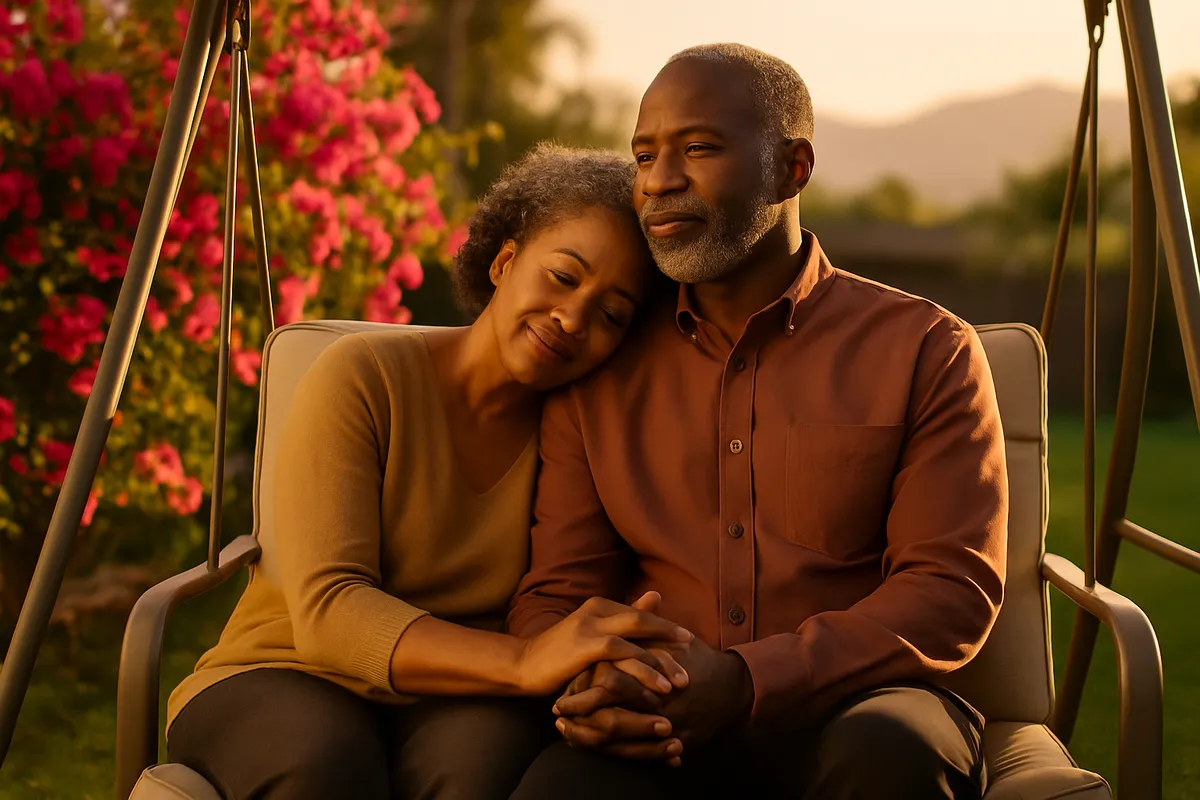
Serious accidents don’t just injure bodies — they injure marriages. When a car crash or fall leaves one partner with a traumatic brain injury, paralysis, or chronic pain, the other partner loses things the medical bills never mention: companionship, affection, intimacy, a co-parent, a partner in daily life. California law recognizes that loss with a specific claim — loss of consortium — and provides compensation for it in personal injury cases. It is also one of the most complex and personal damages a family can pursue, which is why it’s frequently overlooked or undervalued.
The scale of the problem is larger than most people realize. The California Office of Traffic Safety reports 4,061 people were killed on California roads in 2023, and serious injuries — including the traumatic brain and spinal cord injuries that most often destroy relationships — affect thousands of additional families every year.
Loss of Consortium Is a Non-Economic Damage
Loss of consortium belongs to the category of non-economic damages — harms that are real but carry no invoice. Where medical expenses are proven with billing records and lost wages with pay stubs, loss of consortium is proven through testimony and evidence about how a relationship functioned before the injury and what it has become since. That evidentiary challenge is exactly why these claims benefit from experienced counsel: legitimate, devastating losses can be dismissed as unprovable when they’re presented poorly, and presented well they often represent a substantial share of a family’s total recovery.
What Exactly Is Loss of Consortium?
In California, loss of consortium is the loss or impairment of what a marriage or registered domestic partnership provides: love, companionship, comfort, care, assistance, protection, affection, society, moral support — and the enjoyment of sexual relations and the ability to have children.
Two structural rules define the claim:
- It belongs to the partner, not the victim. The injured person recovers for their own injuries; the spouse or partner brings the consortium claim for what the relationship lost. The direct victim cannot claim loss of consortium.
- California limits who can file. Only spouses and registered domestic partners qualify. Unlike some states, California does not extend the claim to children who lose a parent’s companionship, to parents, or to unmarried partners — no matter how long the relationship.
The claim can arise from either a severe injury or a death, though in fatal cases the losses are typically pursued through a wrongful death claim, which includes loss of companionship among its damages.
What These Losses Look Like in Real Cases
Traumatic Brain Injuries
TBIs are the classic consortium case because they can change who a person is while leaving them outwardly healthy. Over months and years, a brain injury can produce personality changes, emotional volatility, childlike cognition, and social withdrawal. Medical literature has documented significant changes in sexuality and behavior among TBI survivors — including loss of inhibition and altered attraction. Often the spouse is the only person who fully understands how much has changed. These are among the most common serious injuries riders and drivers suffer; our overview of common motorcycle accident injuries explains why brain trauma so often goes unrecognized at first.
Spinal Cord Injuries and Paralysis
Paralysis can end a couple’s physical intimacy entirely while simultaneously converting a partner into a caregiver — a dual loss the law recognizes as compensable.
Loss of Fertility
Even when physical intimacy remains possible, an accident that damages reproductive organs can take away a couple’s ability to have children. California courts have recognized this as a basis for consortium damages.
How to Pursue a Loss of Consortium Claim in California
A few practical rules govern these claims:
- It’s a distinct claim, filed by the partner. Your spouse’s injury lawsuit covers their damages; the consortium claim is yours and must be asserted separately, though the two are almost always filed and tried together.
- It depends on the underlying liability. You must prove the defendant negligently caused your partner’s injury. If a court has already determined the defendant wasn’t liable, a later consortium suit against the same defendant is barred. This is also why settlements of the injured spouse’s claim need to be structured carefully — releasing the consortium claim without valuing it is a common and costly mistake.
- Causation is the battleground. Expect the defense to argue the marriage was already “on thin ice,” that intimacy had faded years earlier, or that infertility pre-existed the crash. Counseling records, medical history, and candid testimony from both partners — sometimes supported by friends and family — establish the before-and-after picture.
- Deadlines apply. The two-year statute of limitations for personal injury actions (CCP § 335.1) governs, and claims involving public entities can require a government claim within six months.
Because the claim requires discussing the most private aspects of a marriage, many couples hesitate to bring it. A capable personal injury team handles that evidence with discretion — and makes sure a real loss isn’t left off the table out of discomfort.
Talk to a California Injury Attorney About Your Family’s Full Losses — Free
Miracle Law founder Tamar Miot is a former insurance defense attorney, so she knows exactly how insurers discount non-economic damages like loss of consortium — and what evidence forces them to take these claims seriously. If an accident has changed your marriage or partnership, contact us for a free consultation or call (888) 843-5290. There’s no fee unless we win.
Frequently Asked Questions
Who can file a loss of consortium claim in California?
Only a lawful spouse or registered domestic partner of the injured person. Unlike some states, California does not allow children, parents, or unmarried partners to bring loss of consortium claims. The injured person themselves cannot claim it — the damage belongs to their partner.
What does loss of consortium actually compensate?
The loss or impairment of what the relationship provided: companionship, affection, moral support, household partnership, sexual intimacy, and in some cases the ability to have children. It's a non-economic damage, so there's no receipt to point to — the claim is proven through testimony and evidence about how the relationship changed.
Is loss of consortium a separate lawsuit from my spouse's injury case?
It's a legally distinct claim that belongs to you rather than your injured spouse, though it's usually filed in the same action and tried together. Importantly, it depends on proving the defendant was liable for the underlying injury — if the defendant is found not liable in your spouse's case, the consortium claim fails with it.
How do defendants fight loss of consortium claims?
By attacking causation: arguing the marriage was already struggling, that intimacy problems or infertility pre-dated the accident, or that the relationship changes stem from something else. Medical records, counseling history, and honest testimony from both partners are key to overcoming these arguments.
Injured? Talk to a former insurance defense attorney — free.
No fee unless we win. We'll call you back within 10 minutes. Hablamos Español.
Call (888) 843-5290Find Out If You Have a Case
Free case review. We'll call you back within 10 minutes.