
Motorcycle Accidents
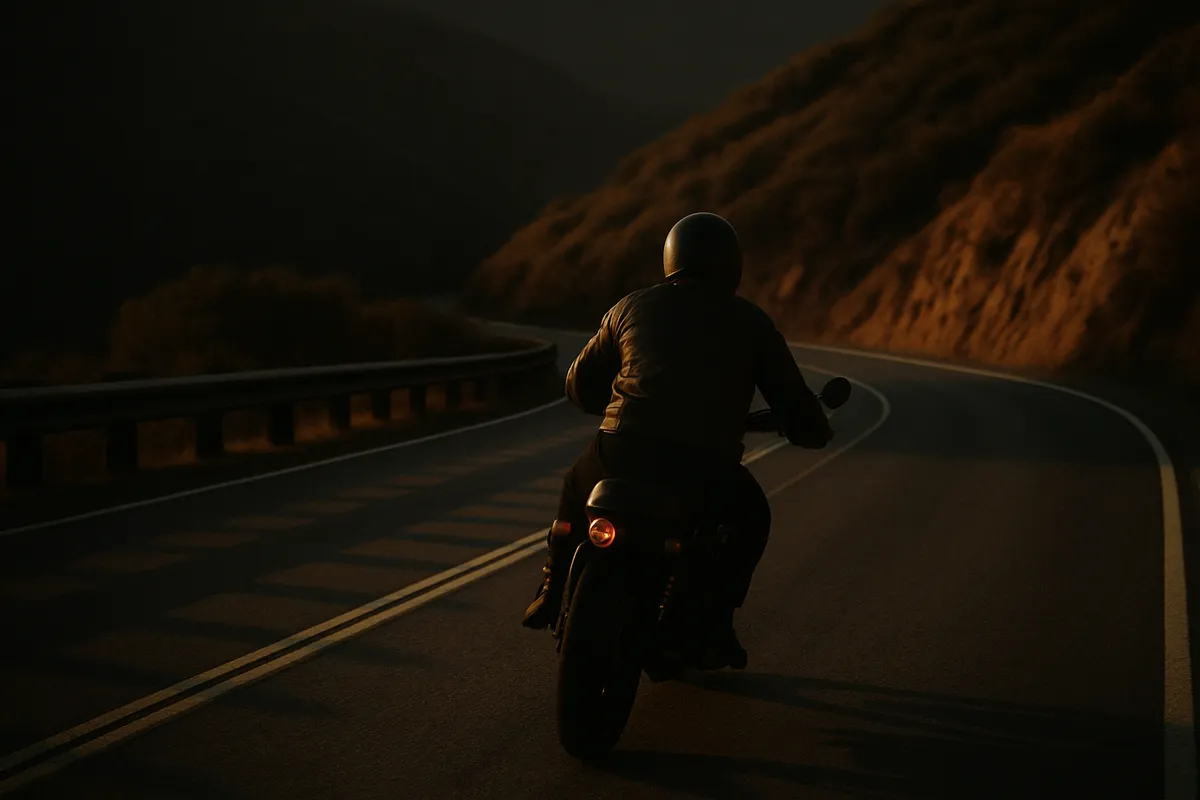
Riders know the truth that statistics confirm: the road is far less forgiving on two wheels. According to NHTSA, motorcyclists are roughly 24 times more likely to die in a crash per mile traveled than passenger car occupants. Yet after a crash, injured riders face a second injustice — insurance adjusters and even police reports colored by the assumption that the motorcyclist must have been reckless. Miracle Law APC represents injured riders across Los Angeles and the Inland Empire, and we know how to dismantle anti-rider bias with evidence.
The Real Causes of Motorcycle Crashes
In our experience — and in crash data — the most dangerous variable is usually the driver who “didn’t see” the rider:
- Left-turn collisions — a driver turns across an oncoming motorcycle’s path, the classic and deadliest scenario
- Unsafe lane changes — drivers merging into a lane the rider already occupies
- Rear-end crashes — distracted drivers who never brake
- Dooring and sideswipes in urban traffic
- Drunk and drugged drivers — crashes where punitive damages may be on the table
- Road hazards — potholes, debris, and poorly maintained pavement that may create government liability
When a crash involves a commercial vehicle, the case takes on truck-accident dimensions — bigger policies, more defendants, faster defense response.
Lane Splitting Is Legal — Don’t Let an Adjuster Tell You Otherwise
California is the only state that has fully legalized lane splitting, formalized by Assembly Bill 51 in 2016. Adjusters still routinely treat splitting as automatic rider fault. It isn’t. The question is always whether each party acted reasonably — and a driver who drifted into your lane or swung across traffic without looking is negligent, splitting or not. We cover this in depth on our lane splitting motorcycle accident page.
Under California’s pure comparative negligence rule, even a rider who shares some fault can still recover — the award is reduced by the rider’s percentage, never wiped out. Because insurers exploit this rule by inflating rider fault, proving liability in California motorcycle cases is where these claims are won or lost.
Motorcycle Injuries Demand Bigger Recoveries
Without a steel frame and airbags, riders absorb the full force of a collision. We regularly handle cases involving:
- Traumatic brain injuries — even with a helmet, which NHTSA estimates are about 37% effective in preventing rider deaths
- Spinal cord injuries and paralysis
- Broken bones and orthopedic trauma requiring surgery and hardware
- Road rash, degloving injuries, and permanent scarring
- Amputations and crush injuries
These injuries mean future surgeries, rehabilitation, lost earning capacity, and profound lifestyle changes. A settlement that only covers today’s bills is a settlement that fails you. We work with medical and economic experts to project the true lifetime cost — and when the worst happens, we stand with families in wrongful death claims.
What to Do After a Motorcycle Crash
- Get medical care immediately — adrenaline masks serious injuries, and gaps in treatment become insurer talking points
- Document everything — photos of the scene, vehicles, gear, and your injuries; witness contacts; the police report number
- Preserve your gear and bike — don’t repair or discard anything yet; it’s evidence
- Say nothing to the other insurer — no recorded statement until you’ve talked to a lawyer
Deadlines apply: most claims must be filed within two years (CCP § 335.1), and government-entity claims — like a dangerous road defect — can require action within six months.
Coverage Questions Every Rider Should Ask
Serious rider injuries frequently exceed the at-fault driver’s minimum policy limits — and some drivers carry no insurance at all. That’s why your own uninsured/underinsured motorist (UM/UIM) coverage is often the most important line on a rider’s policy: it steps in when the driver who hit you can’t pay, and it applies even in hit-and-run scenarios. We examine every available policy — the driver’s, yours, household policies, and any employer coverage if the driver was working — to make sure no source of recovery is missed. See our page on insurance claims for how these negotiations really work.
Why Riders Choose Miracle Law
Founder Tamar Miot is a former insurance defense attorney. She has seen from the inside how insurers build “biker bias” into their evaluations — and she knows precisely which evidence forces them to pay full value. Our results include a $1.1 million car accident recovery and a $3.85 million truck accident recovery; past results don’t guarantee future outcomes, but they show how we fight.
The consultation is free, we’re available 24/7, and there’s no fee unless we win. Call (888) 843-5290 or book your free case review today. Hablamos Español.
Frequently Asked Questions
Is lane splitting legal in California?
Yes. California formally legalized lane splitting in 2016 through Assembly Bill 51 — it remains the only state where the practice is fully legal statewide. If a driver hit you while you were splitting lanes, the crash is not automatically your fault, no matter what the adjuster implies.
The insurance company says the crash was my fault. Can I still recover?
Very likely yes. California's pure comparative negligence rule allows recovery even when you share fault — your compensation is reduced by your percentage of responsibility, not eliminated. Insurers routinely inflate a rider's share of fault, which is exactly what we push back on.
I wasn't wearing full gear. Does that hurt my case?
California requires a helmet, and not wearing one can affect damages related to head injuries. But gear choices don't excuse the driver who caused the crash. We deal with these arguments case by case and keep the focus on the negligent driver.
How long do I have to file a motorcycle accident claim?
Generally two years from the crash under CCP § 335.1, and as little as six months if a government entity is involved — for example, a dangerous road condition or a city vehicle. Evidence fades much faster, so contact a lawyer early.
Injured? Talk to a former insurance defense attorney — free.
No fee unless we win. We'll call you back within 10 minutes. Hablamos Español.
Call (888) 843-5290Find Out If You Have a Case
Free case review. We'll call you back within 10 minutes.