
Brain Injury
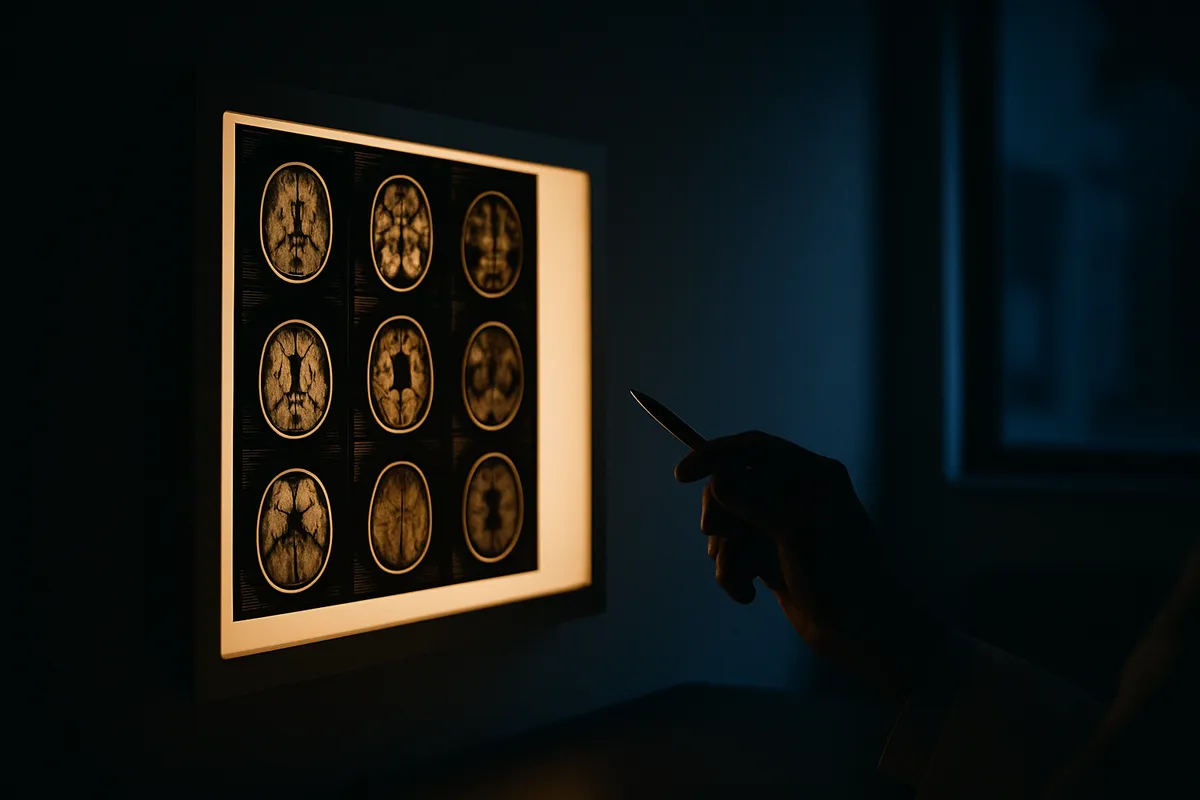
A traumatic brain injury changes the one thing that makes you you. Memory, concentration, mood, sleep, language, personality — a TBI can disturb all of them, often in ways that friends and even doctors don’t immediately see. Insurance companies exploit that invisibility, arguing that a “mild” concussion with a clean CT scan deserves a token settlement. Miracle Law APC builds brain injury cases the right way: with neurologists, neuropsychologists, and life-care planners who make the invisible visible — and make insurers pay for the whole injury, not just the emergency room visit.
Brain Injuries Are More Common Than People Think
The CDC reports that traumatic brain injury contributes to a staggering toll in the United States — on the order of 190 TBI-related deaths every day, with over 200,000 TBI-related hospitalizations in a recent year. Falls and motor vehicle crashes are the leading causes. In our practice, TBIs most often arise from:
- Car accidents — even “moderate” collisions can whip the brain against the skull
- Truck accidents — the violent forces involved make head trauma common
- Motorcycle accidents — helmets help enormously but can’t prevent every TBI
- Falls on unsafe property — stairs, wet floors, and construction sites
- Workplace accidents — including warehouse and logistics injuries common in the Inland Empire
- Oxygen deprivation during birth — see our birth injury practice
Not All Brain Injuries Look the Same
Concussions and “mild” TBI
The word mild is misleading. Post-concussion syndrome can bring months or years of headaches, fogginess, light sensitivity, anxiety, and memory problems. Many patients have normal imaging — which is why insurers love to minimize these claims and why detailed neuropsychological evidence matters.
Moderate and severe TBI
Skull fractures, brain bleeds, contusions, and diffuse axonal injuries can require surgery, extended hospitalization, and lifelong care. Cognitive and physical deficits may be permanent, and family members frequently become caregivers overnight.
Hypoxic and anoxic injuries
When the brain is starved of oxygen — in near-drownings, medical negligence, or birth complications — the damage is often global and permanent.
Symptoms Worth Taking Seriously
After any accident involving your head — or violent movement of it — watch for persistent headaches, dizziness, nausea, sensitivity to light or noise, ringing in the ears, sleep changes, irritability, depression, difficulty concentrating, and word-finding trouble. Family members often notice personality changes before the injured person does. Document symptoms in a daily journal and report every one to your doctors: consistent, contemporaneous records are among the most persuasive evidence in a TBI claim.
What Full Compensation Really Means in a TBI Case
The ER bill is the smallest number in a brain injury case. A properly built claim accounts for:
- Future medical care — neurology, rehabilitation, therapy, medications, and assistive technology for years or decades
- Lost earning capacity — not just missed paychecks, but careers cut short or downgraded
- Cognitive and behavioral losses — the pain, frustration, and loss of enjoyment of life that juries understand and adjusters discount
- Family impact — caregiving burdens and, for spouses, loss of consortium
We retain life-care planners and economists to project these costs credibly. That documentation is what separates a six-figure lowball from a recovery that actually lasts. When a brain injury proves fatal, we guide families through wrongful death claims with the same rigor.
Deadlines and Fault Rules
Most California brain injury lawsuits must be filed within two years of the injury under CCP § 335.1 — and within six months for claims against government entities, such as a dangerous public road or a city vehicle. California’s pure comparative negligence rule means you can recover even if you were partly at fault, with damages reduced by your percentage of responsibility. Early evidence preservation — scene footage, vehicle data, prompt medical documentation — is especially important in TBI cases, where insurers pounce on any gap in treatment.
Why Families Trust Miracle Law With TBI Cases
Founder Tamar Miot is a former insurance defense attorney. She has evaluated brain injury claims from the insurer’s side of the table and knows precisely how adjusters and defense experts try to shrink them — disputing causation, blaming pre-existing conditions, cherry-picking test results. Now she anticipates and neutralizes those tactics for injured people. Our results include a $5 million wrongful death recovery and a $3.85 million truck accident recovery; past results don’t guarantee future outcomes, but they reflect how seriously we prepare catastrophic injury cases. Explore more on our results page.
The consultation is free, we’re available around the clock, and there’s no fee unless we win. Call (888) 843-5290 or contact us today. Hablamos Español.
Frequently Asked Questions
I was told my CT scan was normal. Can I still have a brain injury?
Yes. Standard CT scans and even MRIs frequently miss mild and moderate traumatic brain injuries, especially diffuse axonal injury. Diagnosis often relies on neuropsychological testing, symptom history, and input from people who know you. A normal scan does not mean a normal brain — and it does not defeat your claim.
What is a brain injury case worth?
TBI cases are often valued higher than other injury claims because the losses span decades: medical care, therapy, lost earning capacity, and profound changes to daily life. The value depends on the severity, your prognosis, and the strength of the medical evidence. We give honest assessments in a free consultation and never invent numbers.
How long do I have to file a brain injury lawsuit in California?
Generally two years from the injury under CCP § 335.1. Claims against public entities may require a government claim within six months. Because TBI symptoms sometimes emerge or worsen over time, involve an attorney early so nothing is waived.
What if my loved one can't manage their own case because of the injury?
Family members can often act on behalf of an injured person through a guardian ad litem or conservatorship. We regularly work with families to protect a loved one's legal and financial interests while they focus on recovery.
Injured? Talk to a former insurance defense attorney — free.
No fee unless we win. We'll call you back within 10 minutes. Hablamos Español.
Call (888) 843-5290Find Out If You Have a Case
Free case review. We'll call you back within 10 minutes.