
Handling Insurance Adjusters in California Personal Injury Cases

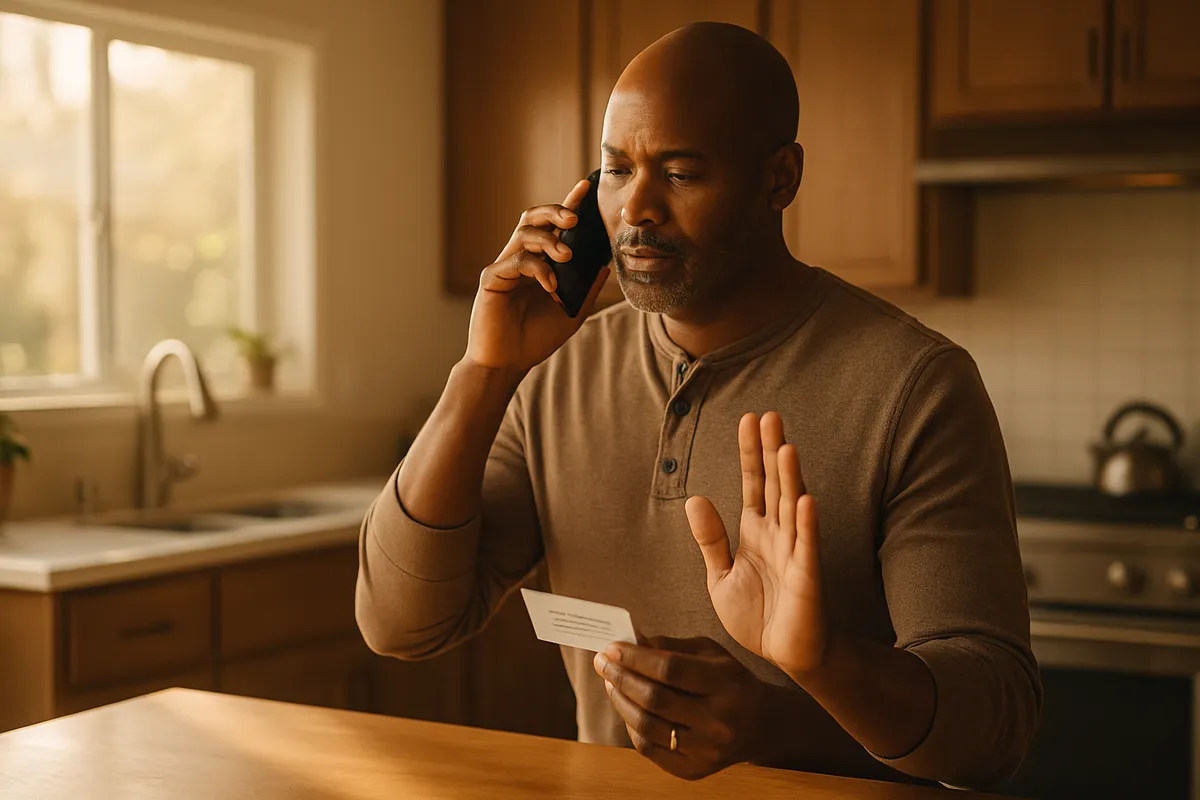
If you file an injury claim in California, the person on the other end of the phone will not be a judge or a jury — it will be an insurance adjuster. Handling insurance adjusters in California personal injury cases is where most claims are won or lost, because the adjuster controls the investigation, the valuation, and the settlement offer. And the adjuster does not work for you. Understanding who adjusters are, how they operate, and what to say (and not say) can be the difference between a claim that pays your bills and one that quietly gets minimized.
What Is an Insurance Adjuster?
An insurance adjuster — sometimes called a claims adjuster — is the insurance company’s investigator and negotiator. After a car accident, slip and fall, or other injury, the adjuster’s job is to determine what, if anything, the company should pay. Most adjusters are direct employees of the insurer; the rest are contractors working under the insurer’s guidelines.
That employment relationship matters. Adjusters who consistently close claims for less money are doing their jobs well from the company’s perspective, and many carriers evaluate adjusters on exactly those metrics. Adjusters also know the policy language — the fine print — better than almost anyone, and they use that knowledge to find exclusions, coverage gaps, and technicalities that reduce payouts.
The stakes are substantial. The California Office of Traffic Safety reported 4,061 traffic deaths in California in 2023, and hundreds of thousands more people are injured on the state’s roads each year — nearly all of those claims flow through adjusters, not courtrooms.
What Adjusters Actually Do With Your Claim
Once a claim is opened, the adjuster investigates. Expect them to review the police report, photographs, vehicle damage, surveillance or dashcam footage, witness statements, and — critically — your medical records. Some of this is legitimate: insurers really do catch staged accidents and fraudulent claims. But the same investigation is also used to build arguments against honest claimants:
- Recorded statements. Adjusters ask open-ended questions hoping you’ll guess, speculate, or downplay symptoms (“I’m fine, just sore”). Those words resurface months later as evidence.
- Blanket medical authorizations. Signing one gives the insurer your entire medical history, which they mine for “pre-existing conditions.”
- Quick, low offers. A fast check before you know whether you need surgery is not generosity — it’s risk management. Once you sign a release, the claim is over forever.
- Comparative fault arguments. Because California follows pure comparative negligence (Li v. Yellow Cab Co., 1975), every percentage point of blame shifted onto you reduces the payout by that percentage. Inflating your fault is a core adjuster tactic — the same dynamic we see when insurers determine who is liable in the first place.
How to Handle Insurance Adjusters the Right Way
Before You Have a Lawyer
Report your own claim promptly (your policy requires cooperation with your insurer), but keep every conversation short and factual. With the other side’s adjuster, you can simply decline to discuss the accident, decline recorded statements, and decline medical authorizations. “I’m still being evaluated and I’ll respond in writing” is a complete answer. Never admit fault, never estimate speeds or distances you’re unsure of, and never characterize your injuries before your doctors have.
Once You’re Represented
When you hire an attorney, the calls stop coming to you — all communication runs through your lawyer. Written communication replaces phone calls, which eliminates “misremembered” conversations and creates a documented record. And when settlement negotiations begin, your attorney counters the low opening offer with evidence: medical records, expert opinions, wage-loss documentation, and a demand that reflects future care, not just past bills. These negotiations function like a preview of trial — and insurers pay more when trial is a credible threat. That’s why Insurance Research Council research has found represented claimants received settlements averaging roughly 3.5 times higher than unrepresented claimants.
Watch the Clock
California gives you two years from the injury to file suit (CCP § 335.1) and as little as six months to present a claim against a government entity. Adjusters know these deadlines to the day. Slow-walking a claim until your leverage expires is not an accident — it’s a strategy. Getting an insurance claim properly valued and demanded early keeps the pressure where it belongs.
Why the Right Lawyer Changes the Conversation
Adjusters treat claimants differently once experienced counsel appears, because the calculus changes: deny or lowball a represented claim, and the file may become a lawsuit with depositions, discovery, and a jury. Our results reflect that shift — cases that started with nuisance-value offers and ended with settlements that actually accounted for surgery, lost earning capacity, and pain and suffering.
Talk to a Former Insurance Defense Attorney — Free
Miracle Law founder Tamar Miot spent years on the insurance company’s side of the table before switching sides. She knows the adjuster playbook — the scripted questions, the valuation software, the delay tactics — because she worked with it. Put that knowledge to work for you. Contact us for a free consultation; there’s no fee unless we win. Call (888) 843-5290 today.
Frequently Asked Questions
Do I have to give a recorded statement to the other driver's insurance adjuster?
No. You have no legal obligation to give the at-fault party's insurer a recorded statement, and doing so almost never helps you. Adjusters are trained to elicit answers that minimize the claim. Politely decline and refer them to your attorney.
Why is the adjuster's first settlement offer so low?
First offers are typically made before the full extent of your injuries is known and are designed to close the file cheaply. Adjusters often have authority well above their opening number, and some receive performance incentives tied to settling claims for less. Treat the first offer as a starting point, not a verdict on your case's value.
Will hiring a lawyer actually get me more money after fees?
Studies by the Insurance Research Council have found represented claimants received payouts roughly 3.5 times higher on average than unrepresented ones — a gap large enough that most injured people net significantly more even after a contingency fee. Representation also shifts the negotiation dynamic, because the insurer knows you can credibly take the case to trial.
Can the adjuster deny my claim because I was partly at fault?
Not entirely. California follows pure comparative negligence, so partial fault only reduces your recovery by your percentage of responsibility — it never eliminates it. Adjusters know this, which is why they work hard to inflate your share of the blame.
Injured? Talk to a former insurance defense attorney — free.
No fee unless we win. We'll call you back within 10 minutes. Hablamos Español.
Call (888) 843-5290Find Out If You Have a Case
Free case review. We'll call you back within 10 minutes.