
Man Killed in West Covina Crash With Utility Truck Identified

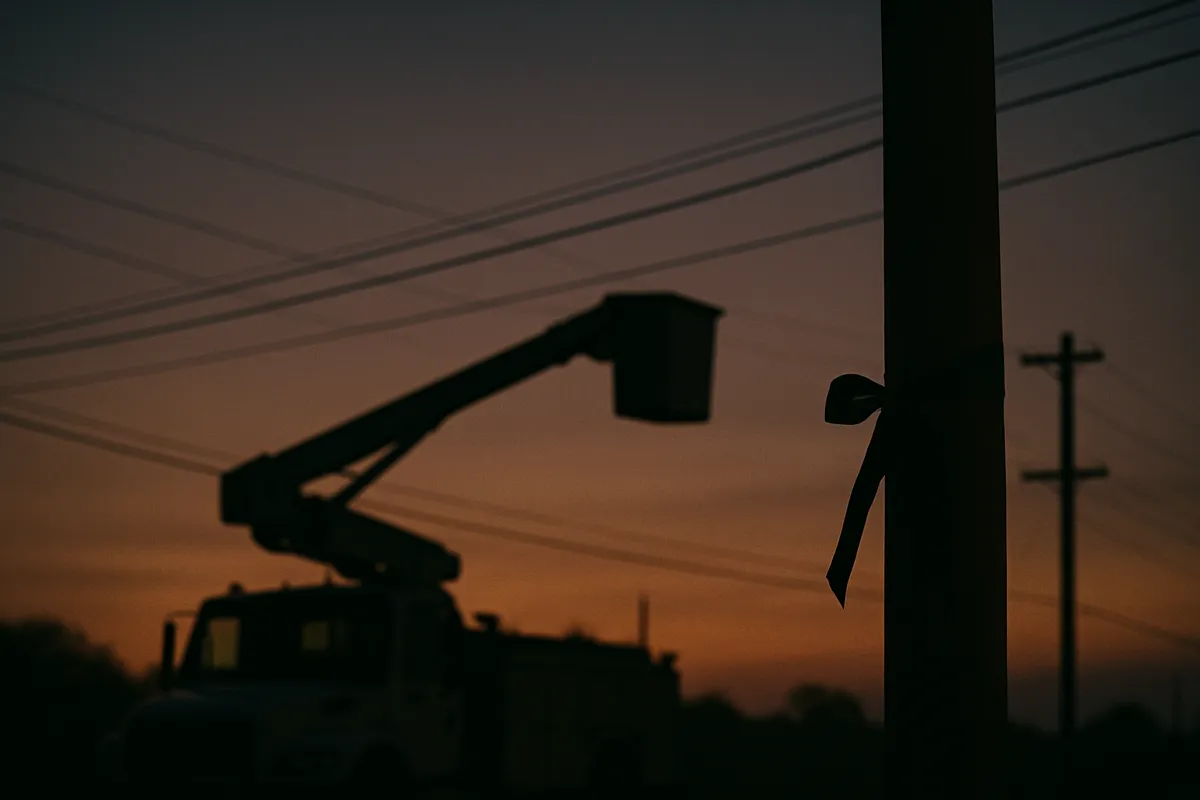
Authorities have identified the man killed in a devastating three-vehicle collision involving a utility truck along the 10 Freeway in West Covina, according to MyNewsLA. Emergency responders arrived quickly, and investigators worked the freeway crash scene while managing significant traffic disruptions connected to the fatal collision.
For the family now grieving, the identification of a loved one marks the beginning of an enormously difficult road — emotionally, financially, and legally. This post reviews what is known about the West Covina crash and explains the legal framework that applies when a collision with a utility or commercial truck turns fatal in Southern California.
What We Know About the West Covina Truck Crash
Based on the initial reporting, the crash involved three vehicles, one of them a utility truck, on the 10 Freeway in West Covina. One man died, and authorities later released his identity. Investigators were examining the circumstances of the collision, as is standard in fatal freeway crashes.
Multi-vehicle freeway collisions like this one typically require weeks of investigation: the California Highway Patrol reconstructs the sequence of impacts, and where a commercial or utility vehicle is involved, its electronic data — speed, braking, throttle position in the seconds before impact — often becomes central evidence. Investigators also examine the utility truck driver’s qualifications and hours, the vehicle’s maintenance history, and physical evidence like skid marks and crush damage that reveal each vehicle’s speed and position at impact.
Why Crashes With Utility and Commercial Trucks Are So Deadly
The severity of this crash fits a grim national pattern. According to the National Highway Traffic Safety Administration, 5,472 people were killed in crashes involving large trucks in 2023 — roughly 15 deaths every day. And the harm falls overwhelmingly on the smaller vehicle: Insurance Institute for Highway Safety data consistently shows that when a large truck and a passenger vehicle collide fatally, the overwhelming majority of those killed — around 96% in recent years — are occupants of the passenger vehicle.
The reasons are structural:
- Weight disparity. A loaded utility or commercial truck can weigh several times what a passenger car does, multiplying the force delivered in a collision.
- Stopping distance. Heavy vehicles need far more room to stop at freeway speeds; sudden congestion on corridors like the 10 leaves little margin.
- Chain reactions. In dense traffic, an initial impact frequently triggers secondary collisions — one reason three-vehicle crashes like this one are common on Southern California freeways.
We examined the same dynamics in another recent fatal collision in our region, a deadly Riverside County semi-truck crash.
Liability in a Utility Truck Crash: Usually More Than One Defendant
Fatal truck accident cases differ from ordinary car crash claims in a critical way: the driver is rarely the only potentially responsible party. Depending on what the investigation shows, liability may extend to:
- The driver’s employer. Under California’s respondeat superior doctrine, companies are responsible for employees’ negligence on the job — and can face separate claims for negligent hiring, training, or supervision.
- The company that owns or maintains the truck, if brake, tire, or equipment failures contributed.
- A government entity, if the utility truck belonged to a public agency or a dangerous roadway condition played a role. This matters enormously for deadlines: claims against public entities require an administrative claim within six months, far shorter than the general two-year statute of limitations (CCP § 335.1).
- Other motorists, in a multi-vehicle chain of impacts, with fault allocated among them under California’s pure comparative negligence rule.
Each additional defendant typically means an additional insurance policy — and in fatal cases, where losses routinely exceed any single policy’s limits, identifying every layer of coverage is often the difference between partial and full compensation.
What This Means for the Victim’s Family
California law gives surviving family members two potential claims. A wrongful death claim compensates the spouse, children, and certain other heirs for their own losses: funeral and burial expenses, the financial support and household contributions the deceased would have provided, and the profound loss of companionship, guidance, and society. A separate survival action allows the estate to recover damages the deceased incurred between injury and death.
Valuing these claims is its own discipline. Economic experts project the income, benefits, and household services the deceased would have contributed over a working lifetime, and California places no cap on wrongful death damages in ordinary negligence cases. Because the losses in a fatal freeway crash routinely reach seven figures, defendants and their carriers contest every element — which makes early, thorough documentation of the family’s financial and personal losses essential.
Just as important as the legal theory is the evidence race. Commercial insurers and their rapid-response investigators are frequently at work within hours of a fatal truck crash — photographing, interviewing, and building the defense file while the family is still processing the loss. Preservation letters demanding that vehicles, electronic data, driver records, and camera footage be retained should go out immediately. Families should also decline recorded statements from any insurance company until they have counsel; early statements are routinely used to shave down claims later.
Talk to a Former Insurance Defense Attorney — Free
Miracle Law’s founder, Tamar Miot, spent years defending insurance companies before devoting her practice to injury victims and grieving families. She knows how commercial carriers build their defense in a fatal truck case — and how to take it apart. If you lost a loved one or were injured in the West Covina crash or a similar collision, contact us for a free, compassionate consultation. There is no fee unless we win. Call (888) 843-5290.
Frequently Asked Questions
Who can be held liable after a fatal crash with a utility truck in California?
Potentially several parties: the truck driver, the company that employed the driver (through respondeat superior or negligent hiring and supervision), a maintenance contractor, or a vehicle or parts manufacturer. If the utility truck belonged to a public agency, the government entity itself may be liable — which triggers a strict six-month administrative claim deadline.
Who can file a wrongful death claim in California?
California's wrongful death statute allows the surviving spouse or domestic partner, children, and, in some circumstances, other dependents or heirs to file. Recoverable damages include funeral and burial costs, the financial support the deceased would have provided, and the loss of the loved one's companionship, guidance, and society.
Why do freeway crashes with trucks so often turn deadly?
Physics. Commercial and utility trucks can weigh several times what a passenger car does, so they transfer enormous force in a collision, and they need far more distance to stop at freeway speeds. IIHS data consistently shows that when a large truck and a passenger vehicle collide fatally, the vast majority of those killed are the passenger vehicle's occupants.
What should a family do in the first days after a fatal truck crash?
Preserve evidence before it disappears: the vehicles, electronic control module data, dashcam and surveillance footage, and the CHP report. Avoid giving recorded statements to any insurer, and contact an attorney quickly — trucking and commercial insurers typically dispatch their own investigators within hours of a fatal crash.
Injured? Talk to a former insurance defense attorney — free.
No fee unless we win. We'll call you back within 10 minutes. Hablamos Español.
Call (888) 843-5290Find Out If You Have a Case
Free case review. We'll call you back within 10 minutes.