
Preserving Evidence: Key Steps in a California Personal Injury Case

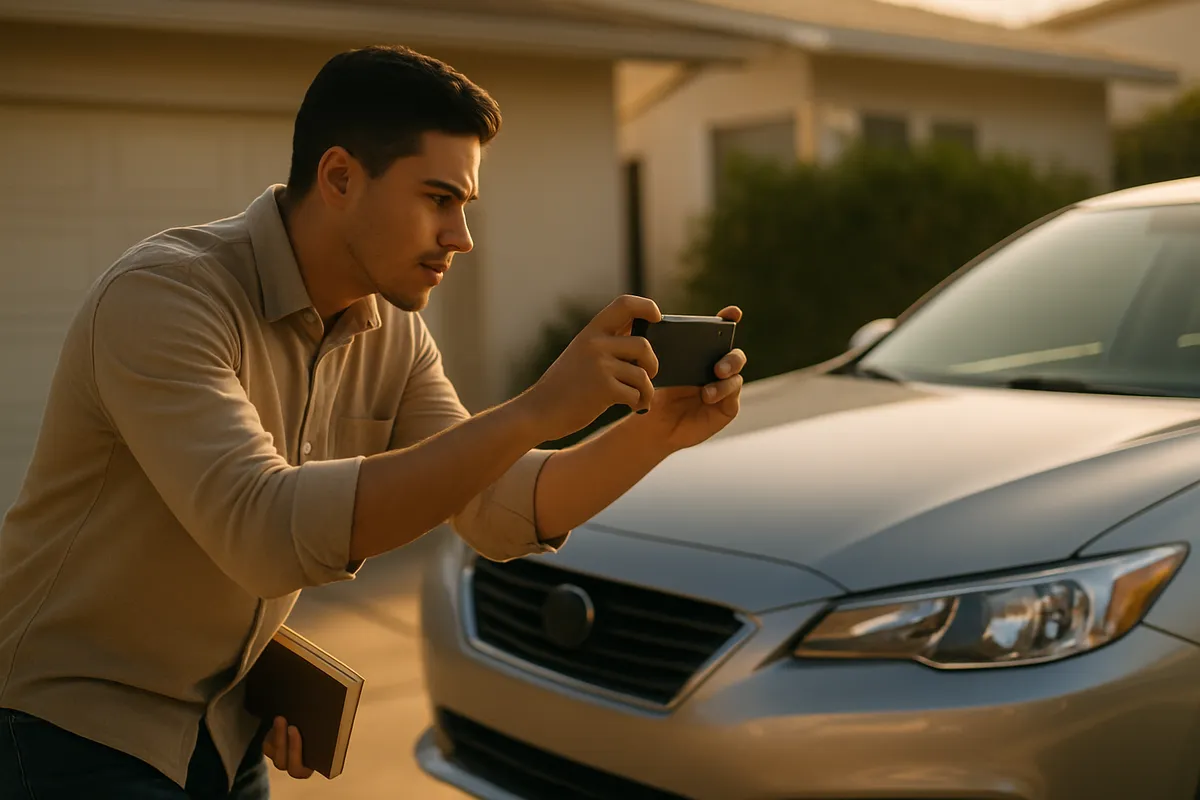
After an accident, your memory of what happened is not what wins your case — evidence is. Preserving evidence in a California personal injury case is one of the most consequential things an injured person can do in the first hours, days, and weeks after a crash, fall, or defective-product injury. The average plaintiff doesn’t always know what counts as evidence, so the working rule is simple: preserve anything that might matter, and let your attorney sort out what does.
The stakes are enormous. The National Highway Traffic Safety Administration reports that 40,990 people died in U.S. traffic crashes in 2023, and California’s SWITRS data compiled by the CHP records well over 150,000 people injured in traffic collisions statewide in a typical year. Behind every one of those numbers is a claim that will rise or fall on documentation.
Capture Ephemeral Evidence Before It Vanishes
One of the most important modern concepts in injury litigation is ephemeral evidence — digital content designed to disappear, often within 24 hours. Instagram stories, Snapchat posts, and “vanish mode” messages self-delete automatically, and users can also manually scrub content at any time.
Why does this matter to your case? Consider two examples:
- You were hit by a distracted driver who was texting moments before the crash. Distraction-affected crashes killed 3,275 people nationally in 2023, per NHTSA — but if those messages were sent in vanish mode, proving it becomes much harder once they’re gone.
- You slipped on a spill from a leaking water cooler, and the business now claims it never had a water cooler. What happens if every photo of it quietly disappears from their social media?
The most straightforward preservation method is the one in your pocket: screenshot the content immediately and forward copies to your lawyer. In higher-stakes cases, attorneys can also send litigation hold (spoliation) letters demanding that opposing parties preserve digital content — and there is even software that captures ephemeral posts automatically. The same urgency applies to surveillance and dashcam video, which many systems overwrite within days.
Make Copies of Everything
Photos of the crash scene live on your phone — until you lose the phone or the storage fails. Redundancy is cheap insurance:
- Back photos and videos up to cloud storage and an external drive
- Send your attorney copies of every file as you collect it
- Scan paper documents (medical bills, repair estimates, correspondence) rather than relying on a single original
Multiple layers of redundancy mean no single mishap can gut your case file.
Keep a Recovery Journal
Doctors’ notes are short, clinical, and sometimes barely legible. They rarely capture what your injuries actually cost you day to day. A journal fills that gap. Each day, record:
- Pain levels and symptoms
- How treatment and medications are going
- Emotional effects — anxiety, sleep loss, frustration, trauma
- Activities you could not do: work tasks, childcare, hobbies, household chores
Written or video entries both work. This record backs up your medical file and becomes powerful proof of non-economic damages — the pain-and-suffering component that insurance adjusters work hardest to minimize.
Keep Everything in Writing
A rule of thumb after any California accident: if it isn’t in writing, expect the insurer to dispute it.
- Route communications to paper or email. If an adjuster wants to discuss details by phone, politely ask for the request in writing — or direct them to your attorney. “Off-the-record” settlement conversations are a tactic, not a courtesy.
- File required reports promptly. Injured on public transit? Transit authority rules may require a written injury report. Hurt at work? Report it to your employer right away. Miss these filings and the insurer may later argue the incident never happened.
- Copy everything, both directions. Keep copies of every communication you send and receive. Email is ideal because it creates an automatic, timestamped archive.
Preserve Physical Evidence
In some cases, the physical object itself is the case. If a pressure cooker exploded, a ladder collapsed, or a vehicle component failed, do not throw it away and do not repair it. Collect every piece, store it safely, and let your attorney arrange proper chain-of-custody storage and expert inspection. In product liability claims, the defective product is often the single most important exhibit — and in car accident cases, the damaged vehicle itself should be photographed and inspected before it is repaired or salvaged.
Why Evidence Deadlines Are Shorter Than Legal Deadlines
California gives most injury victims two years to file suit under Code of Civil Procedure § 335.1, and only six months to present a claim against a government entity. But the practical deadlines are far shorter: surveillance systems overwrite footage in days, skid marks fade, vehicles get repaired, witnesses move, and ephemeral posts delete themselves on schedule. The clock that matters most starts the moment the accident ends.
Get Help Preserving the Evidence That Wins Cases
If you have been injured anywhere in Los Angeles County or the Inland Empire, Miracle Law, APC can take evidence preservation off your plate — sending preservation letters, securing footage, and building the file while you focus on healing. Founder Tamar Miot is a former insurance defense attorney, which means she knows exactly what evidence makes an insurer take a claim seriously. The consultation is free, and there is no fee unless we win. Call (888) 843-5290.
Frequently Asked Questions
What evidence is most important after a California accident?
The core file includes the police or incident report, photos and video of the scene, witness names and statements, your medical records, and proof of financial losses. In many modern cases, digital evidence — surveillance footage, dashcam video, and social media content — carries the most weight because it is objective. If you're unsure whether something matters, preserve it and let your attorney decide.
What is ephemeral evidence, and why does it matter in an injury case?
Ephemeral evidence is digital content designed to disappear, like Instagram stories and vanish-mode messages, which typically self-delete within 24 hours. It can prove things like a driver texting before a crash or a business's knowledge of a hazard. Because it vanishes quickly, screenshot it the moment you see it and forward copies to your lawyer.
Should I keep a journal after my accident?
Yes. A daily record of your pain levels, treatment, emotional state, and activity limitations fills in the gaps left by brief medical notes and helps prove non-economic damages like pain and suffering. Date each entry and keep it factual — your attorney can advise on how it may be used.
How long do I have to file a personal injury lawsuit in California?
Generally two years from the date of injury under California Code of Civil Procedure § 335.1. Claims against government entities require an administrative claim within six months. But evidence disappears far faster than legal deadlines — surveillance systems often overwrite footage within days — so preservation should start immediately.
Injured? Talk to a former insurance defense attorney — free.
No fee unless we win. We'll call you back within 10 minutes. Hablamos Español.
Call (888) 843-5290Find Out If You Have a Case
Free case review. We'll call you back within 10 minutes.