
Can I Pursue Damages if I Was Injured as a Passenger in a California Vehicle Collision?

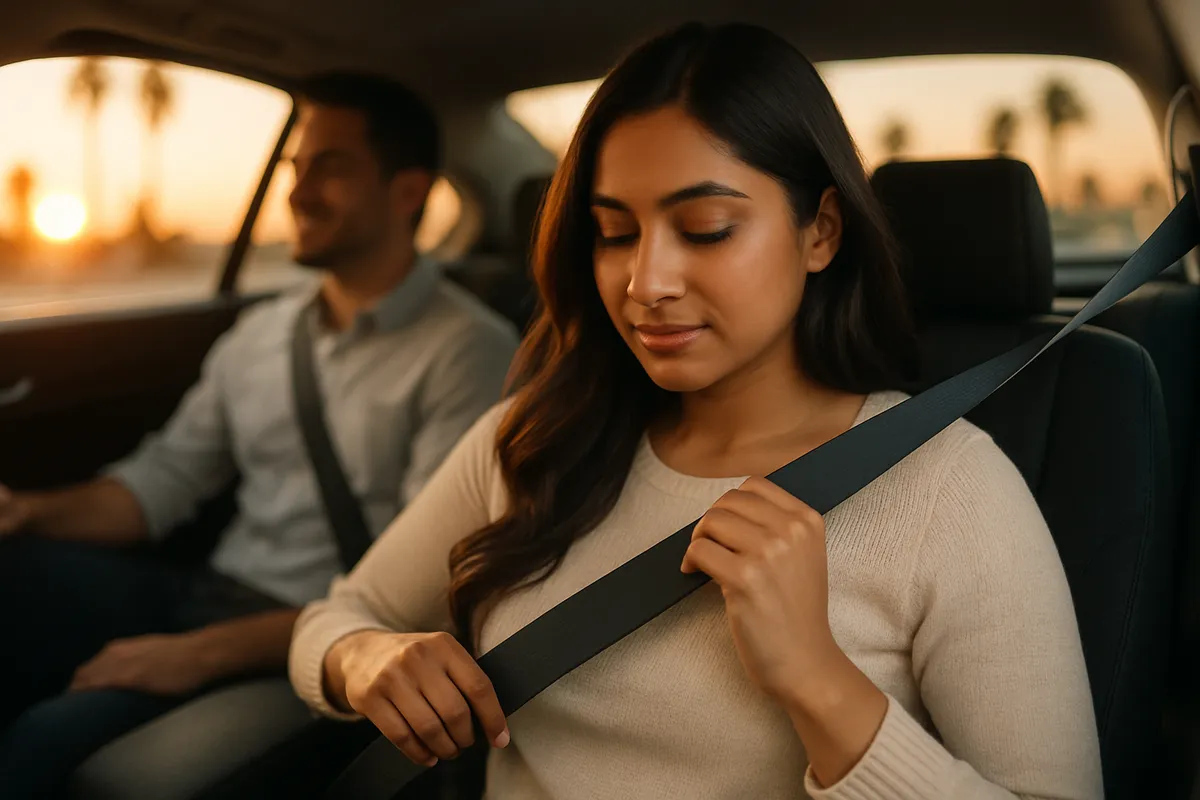
If you were injured as a passenger in a California vehicle collision, the short answer is yes — you can pursue damages, and your claim is often stronger than the drivers’ claims. Passengers don’t control the vehicle, don’t choose the speed, and don’t decide when to change lanes, which means insurers can rarely pin any percentage of fault on them. What passengers do face is a more complicated question: whose insurance pays?
That question matters. California is an at-fault state, and with more than 4,000 people killed on California roads in 2023 — 4,061, according to the California Office of Traffic Safety — and tens of thousands more injured, passengers make up a substantial share of the victims. Nationally, NHTSA counted more than 40,000 traffic deaths in 2023. Here’s how injured passengers actually get compensated.
Who Can Be Held Liable for Passenger Injuries in California?
Because a passenger has no control over any vehicle involved, liability flows to whoever drove negligently. Depending on how the crash happened, that can be one party or several.
The Driver of the Vehicle You Were Riding In
If the person driving you was speeding, distracted, impaired, or otherwise negligent, their liability insurance covers your injuries — the same as it would for anyone else they hurt. Two points trip people up here:
- The household exception. If you share the same auto policy as the at-fault driver — typically a spouse or family member in your household — you generally can’t make a liability claim against that shared policy. This rule exists to prevent collusive claims. Other coverages on the policy, like medical payments (MedPay), may still apply.
- The friendship problem. Many passengers hesitate to “sue” a friend or relative. In practice, your claim targets their insurance company, not their savings. Their insurer collects premiums precisely for this situation, and an experienced car accident attorney handles the negotiation so the personal relationship stays out of it.
Another Driver Whose Negligence Caused the Crash
If a third-party driver caused the collision — running a red light, rear-ending your vehicle, making an unsafe lane change — you pursue that driver’s liability coverage exactly as the driver of your car would. Your claim is often cleaner: the insurers can argue about how to split fault between the two drivers, but under California’s pure comparative negligence rule (Li v. Yellow Cab Co., 1975), each at-fault driver owes their percentage, and a faultless passenger can collect from both.
Your Own Uninsured/Underinsured Motorist Coverage
When the at-fault driver carries no insurance — or a minimum-limits policy that can’t come close to covering your medical bills — your own UM/UIM coverage can fill the gap. UM/UIM follows you as a passenger in someone else’s car, and the vehicle owner’s UM/UIM coverage may apply as well. These claims have their own notice requirements and deadlines, and because your own insurer becomes the adversary, they deserve the same care as any contested insurance claim.
Why Passenger Claims Still Get Fought
If passenger liability is so clear, why do insurers push back? A few recurring tactics:
- Fault ping-pong. Each driver’s insurer points at the other, hoping the passenger accepts a discounted settlement rather than waiting out the dispute. The fix is to pursue both and let comparative fault sort out the percentages.
- Injury minimization. Adjusters question treatment gaps, pre-existing conditions, and “low property damage” — arguments that collapse against prompt medical records and consistent care.
- Recorded statements. An early, friendly call from an adjuster is an evidence-gathering exercise. Passengers should speak to a lawyer before giving any recorded statement.
Evidence wins these disputes: the police report, scene photos, witness statements, and increasingly camera and dashcam footage that shows exactly how the crash unfolded.
Damages an Injured Passenger Can Recover
A passenger’s damages are the same categories available to any injury victim in California:
- Medical expenses — emergency care, surgery, therapy, and the future treatment your providers project
- Lost income and earning capacity — including reduced hours, missed promotions, and career limitations from lasting injuries
- Pain and suffering — the non-economic harm that often exceeds the medical bills in serious cases
- Related family claims — a spouse’s loss of consortium claim, or a wrongful death claim if a passenger is killed
What Passengers Should Do After a Crash
The steps that protect a passenger’s claim mirror the ones drivers should take, with a few additions:
- Get medical care immediately, even for “minor” soreness — delayed-onset injuries like whiplash and concussion are common, and treatment gaps become the insurer’s favorite exhibit.
- Get both drivers’ insurance information. You may need to make claims against multiple policies, and you won’t know which until fault is sorted out.
- Document independently. Photos, witness contacts, and your own written account matter, because you can’t count on either driver’s version protecting your interests.
- Don’t sign anything or give recorded statements until you’ve spoken with an attorney — including for the driver who was transporting you.
Deadlines: Two Years Sounds Longer Than It Is
California Code of Civil Procedure § 335.1 gives injury victims two years from the crash to file suit — six months if a government vehicle or dangerous public roadway is involved and a government claim must be filed first. But the practical deadlines are shorter: surveillance footage gets overwritten in days, vehicles get repaired or scrapped, and witnesses scatter. Passengers who wait to “see how the drivers’ claims go” often find the evidence gone when they finally act.
Injured as a Passenger? Talk to a Former Insurance Defense Attorney — Free
Miracle Law founder Tamar Miot spent years defending insurance companies before switching sides, which means she knows exactly how adjusters try to shrink passenger claims — and how to stop them. If you were injured as a passenger anywhere in Los Angeles County or the Inland Empire, contact us for a free consultation or call (888) 843-5290. There’s no fee unless we win.
Frequently Asked Questions
Can I file a claim if the driver of the car I was in caused the crash?
Yes. Passengers can pursue the at-fault driver's liability insurance even when that driver is a friend or family member. The main exception: if you live in the same household and are covered under the same policy, you generally can't make a liability claim against your own coverage, though other options like medical payments coverage may apply.
What if both drivers were partly at fault for the collision?
California's pure comparative negligence rule divides fault by percentage, and an injured passenger can pursue each at-fault driver for their share. Because passengers rarely bear any fault themselves, they can often recover their full damages across multiple policies.
Will suing my friend ruin them financially?
In nearly all cases the claim is paid by their auto liability insurance — that's what the coverage exists for. Your attorney negotiates with the insurance company, not your friend, and most claims resolve without a lawsuit ever being filed.
What damages can an injured passenger recover in California?
Medical expenses (past and future), lost wages and reduced earning capacity, and non-economic damages like pain and suffering. If injuries are catastrophic or a loved one is killed, additional claims such as wrongful death or loss of consortium may also apply.
Injured? Talk to a former insurance defense attorney — free.
No fee unless we win. We'll call you back within 10 minutes. Hablamos Español.
Call (888) 843-5290Find Out If You Have a Case
Free case review. We'll call you back within 10 minutes.