
Drunk Driver Motorcycle Accident
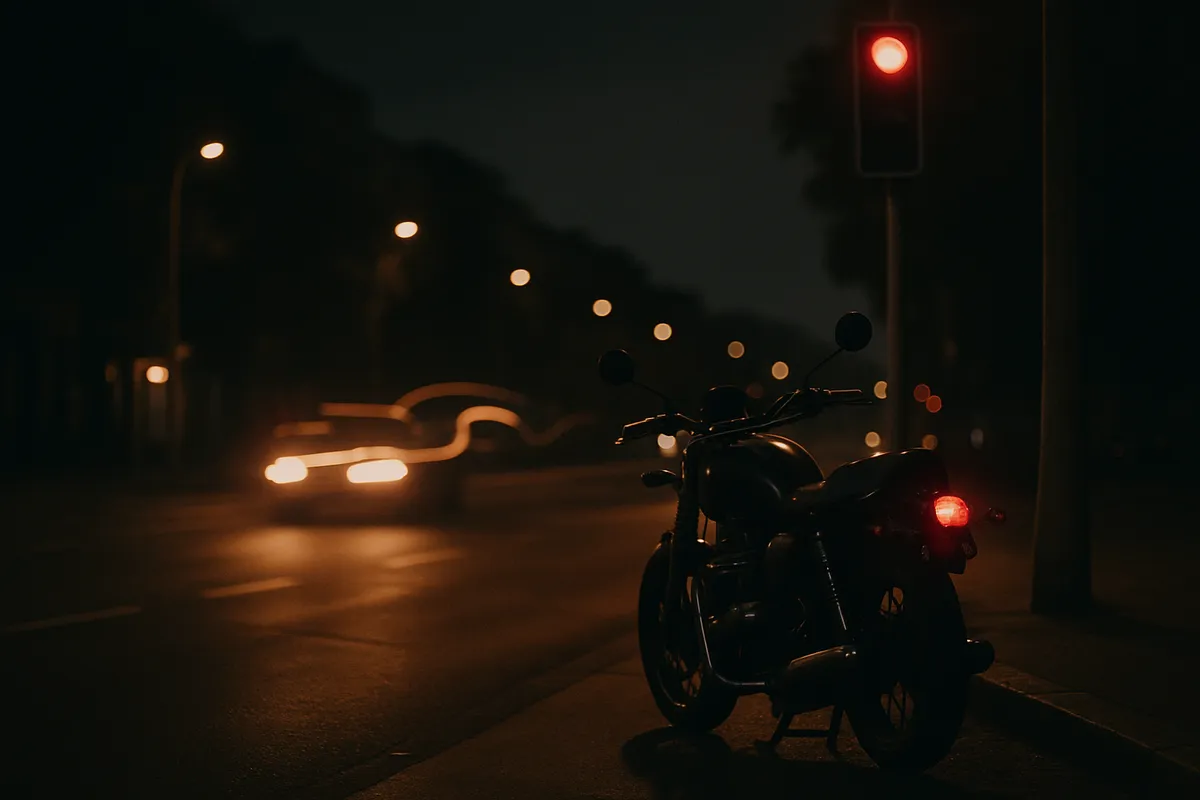
A drunk driver motorcycle accident pairs the most vulnerable people on the road with the most dangerous. Alcohol slows reaction time, blurs judgment, and shrinks a driver’s ability to notice a motorcycle’s smaller profile — so when an impaired driver drifts, turns, or brakes late, the rider usually has no chance to escape. NHTSA reports that more than 13,000 people are killed in alcohol-impaired-driving crashes in the U.S. each year — roughly a third of all traffic deaths — and motorcyclists bear a brutally disproportionate share of serious injuries.
If a drunk driver hit you, California law is firmly on your side. Miracle Law handles motorcycle accident claims across LA and the Inland Empire, and DUI cases are ones we press for every available dollar.
Why Drunk Drivers Are So Dangerous to Riders
Impairment attacks exactly the skills that keep motorcyclists safe around cars:
- Slowed reactions. A sober driver might brake or steer in time; an impaired one recognizes the hazard too late, if at all. Many of these crashes come down to missed opportunities to avoid impact.
- Bad judgment. Alcohol produces unsafe lane changes, misjudged left turns across a rider’s path, failure to yield, and running signals — with the driver confident there was “plenty of room.”
- Reduced visual processing. Motorcycles already have a smaller visual footprint. Impaired drivers struggle to detect them, track their speed, and judge distance — especially at night, when a large share of DUI crashes occur.
The injuries that follow are rarely minor: traumatic brain injuries, spinal cord damage, internal injuries, and multiple fractures are common because impaired drivers don’t slow down before impact. Our overview of common motorcycle accident injuries covers what riders typically face.
Negligence Per Se: How California Law Works for You
California treats drunk driving as negligence per se — when a driver violates DUI law and that violation causes your injuries, the breach of duty is established by the violation itself. There’s no debate about whether driving drunk was “reasonable.”
That shifts the case to two questions we know how to answer:
- Causation. We link the impairment to the specific driving failures that caused the crash — delayed braking measured against sober reaction benchmarks, drifting captured on video, a left turn no attentive driver would have made. Crash reconstruction often demonstrates that a sober driver would have avoided the collision entirely.
- Damages. We document every category of loss: emergency care, surgeries, rehabilitation, future treatment, lost wages and earning capacity, and pain and suffering.
Punitive damages are also on the table in many DUI cases. California courts recognize that choosing to drive intoxicated can constitute conscious disregard for others’ safety — and because insurers typically can’t indemnify punitive awards, that exposure lands on the defendant personally. It’s powerful settlement leverage.
Criminal Charges and Your Civil Claim Are Separate
The DA prosecutes the drunk driver; we pursue your compensation. The two cases run on separate tracks, but the criminal file often feeds the civil one: BAC and toxicology results, field sobriety findings, officer observations, bodycam footage, and any conviction or plea. A DUI conviction removes nearly all uncertainty about liability — and insurers price that into settlement talks.
Don’t wait for the criminal case to finish. Your civil deadline — generally two years under CCP § 335.1, or a six-month government claim window when a public entity is involved — keeps running regardless. And even where fault is admitted, insurers fight value hard, disputing treatment and blaming riders under California’s pure comparative negligence rules. California law doesn’t expect riders to anticipate impaired drivers, and we hold insurers to that standard.
What Your Claim May Be Worth
Every case turns on its facts: injury severity, treatment needs, time off work, and permanent limitations. Miracle Law’s results include a $5 million wrongful death recovery, a $3.85 million truck accident recovery, and a $1.1 million car accident recovery. Past results don’t guarantee future outcomes — but they tell insurers we don’t settle cheap. If you lost a family member to an impaired driver, our wrongful death team can help you understand your family’s rights.
Hold the Drunk Driver Accountable — Free Consultation
Miracle Law founder Tamar Miot is a former insurance defense attorney. She spent years watching carriers concede fault in DUI cases and then quietly gut the payout — and now she stops them from doing it to riders. Your consultation is free, we’re available 24/7, and you pay no fee unless we win. Call (888) 843-5290 or contact us online. Hablamos Español.
Frequently Asked Questions
Does the driver's DUI arrest automatically win my case?
It gets you most of the way on fault. Under California's negligence per se doctrine, violating DUI law establishes the breach of duty when it causes harm — so the fight shifts to causation and damages rather than who was careless. We connect the impairment to the specific failures that caused your crash: delayed braking, drifting, failure to yield.
Can I get punitive damages from a drunk driver?
Often, yes. California courts have long recognized that driving while intoxicated can show a conscious disregard for the safety of others, which supports punitive damages on top of your compensatory recovery. Insurers generally don't cover punitive awards, which puts real personal pressure on the defendant to settle fairly.
What if the criminal DUI case is dismissed or reduced?
Your civil claim proceeds independently, and it has a lower burden of proof — preponderance of the evidence rather than beyond a reasonable doubt. BAC results, officer observations, bodycam footage, and witness accounts from the criminal investigation can still support your injury claim even if the prosecution falters.
The insurer admits their driver was drunk but is lowballing me. Why?
Admitting fault and paying full value are two different things. Carriers concede intoxication, then attack the size of your damages — questioning treatment, minimizing future care, or blaming part of the crash on you. Thorough medical documentation and a lawyer who prepares for trial are what close that gap.
How long do I have to file?
Generally two years from the crash under CCP § 335.1. If a government entity is involved — a public employee driver or a dangerous roadway — a claim may be required within six months. Toxicology records, bar receipts, and video evidence should be preserved much sooner.
Injured? Talk to a former insurance defense attorney — free.
No fee unless we win. We'll call you back within 10 minutes. Hablamos Español.
Call (888) 843-5290Find Out If You Have a Case
Free case review. We'll call you back within 10 minutes.