
Broken Bones Motorcycle Accident
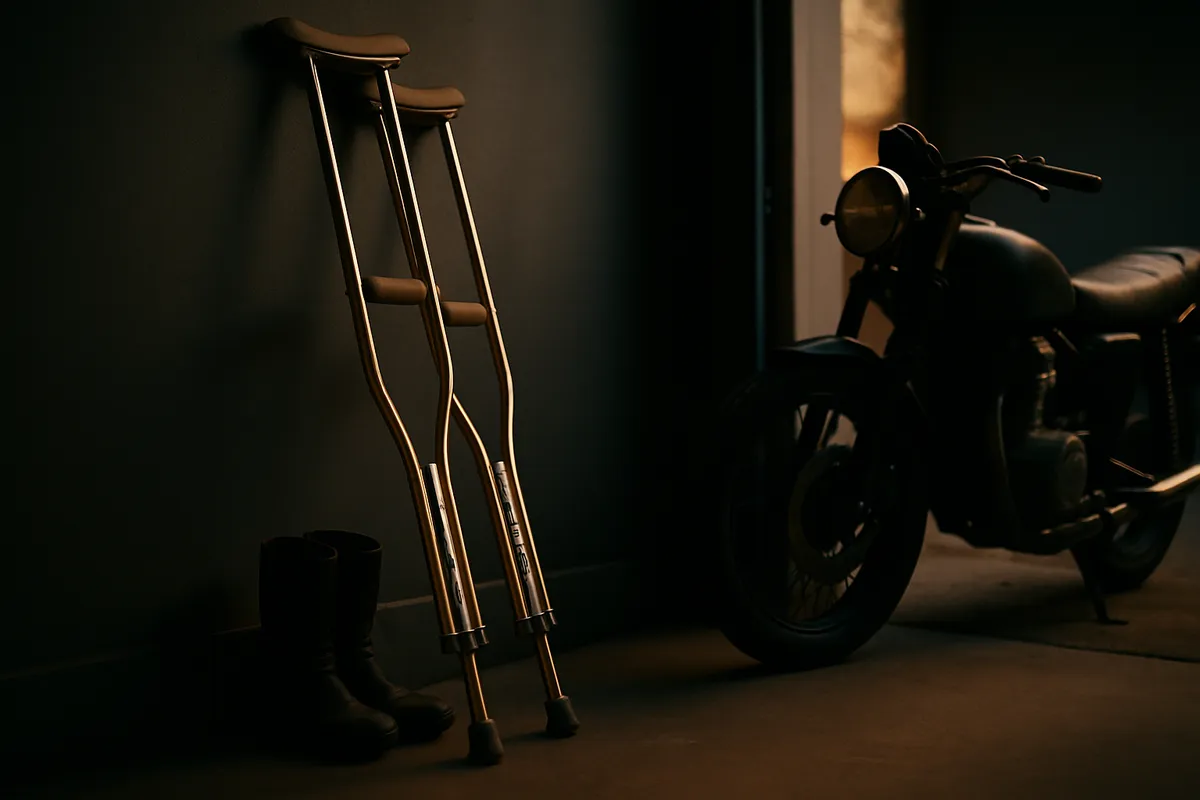
Broken bones motorcycle accident cases are routinely undervalued — by insurers who treat fractures as injuries that “just heal,” and sometimes by riders themselves in the fog of early recovery. The reality is different. A motorcycle gives you no crumple zone, so your skeleton absorbs the force a car frame is designed to dissipate. The result is often multiple fractures, surgical hardware, months of rehabilitation, and limitations that linger long after the X-rays look clean.
Miracle Law builds motorcycle accident fracture claims around orthopedic reality, not insurance assumptions — so the compensation reflects what the injury actually costs over a lifetime.
The Fractures Riders Suffer Most
Federal crash research has consistently found that lower-extremity injuries — legs, ankles, and feet — are the most common nonfatal injuries in motorcycle crashes, with arm and wrist fractures close behind. (For a broader look, see our guide to common motorcycle accident injuries.) The patterns we see most:
Arm and wrist fractures
Riders instinctively brace for impact, sending crash forces straight through the wrists, forearms, and shoulders. Radius, ulna, and humerus fractures often involve displacement or joint surfaces, which usually means surgery, plates or pins, and extensive therapy — plus lasting losses in grip strength and dexterity that matter enormously for hands-on work.
Leg, knee, and ankle fractures
Legs take the hit from bumpers, doors, and pavement, and a falling bike can pin or crush a rider’s leg. Tibia, fibula, and femur fractures frequently require surgical fixation and long non-weight-bearing recovery. When joints are involved, chronic pain and post-traumatic arthritis are common — and walking, balance, and endurance may never fully return.
Ribs, collarbones, and shoulders
Chest-first ground impacts fracture ribs and clavicles, often together. These injuries can look “minor” on paper while making breathing, sleeping, and lifting miserable for months — and rib fractures carry real risks of lung injury and respiratory complications.
Why Fracture Claims Are Worth More Than Insurers Admit
The emergency room bill is the smallest part of a serious fracture case. Full compensation accounts for:
- Extended treatment. Surgery, hardware placement (and sometimes removal), repeat imaging, specialist visits, and months of physical therapy. Complications like delayed union or infection extend everything.
- Lost income and earning capacity. Fractures keep people out of work longer than almost any comparable injury — especially in physical occupations. If you can’t return to your prior job, the claim must reflect reduced lifetime earnings, not just missed paychecks.
- Permanent impairment. Residual pain, restricted range of motion, joint instability, and arthritis change daily life. These non-economic damages are real, and California law compensates them.
California’s pure comparative negligence rule protects you even if an insurer assigns you partial fault — your recovery is reduced by your percentage, never eliminated. We push back on inflated fault allegations using the evidence framework in our guide to proving liability in California motorcycle cases.
How the Claim Process Works — and Where Riders Get Hurt
- Document everything early. Imaging, orthopedic evaluations, and consistent follow-up care form the backbone of the claim. Gaps in treatment become insurer talking points.
- Expect scrutiny. Carriers request full medical histories, push for recorded statements, and arrange “independent” medical reviews designed to minimize fracture severity. You are not required to face any of that alone.
- Time the settlement to your prognosis. The biggest error in fracture cases is settling before maximum medical improvement. Insurers push early offers precisely because future surgeries, therapy, and work restrictions aren’t yet priced in. We hold the line until the recovery outlook is clear — while protecting the two-year filing deadline (CCP § 335.1) and the six-month government claim window when a public entity is involved.
If your crash involved a drunk driver or an aggressive motorist, additional leverage may apply — see our pages on drunk driver motorcycle accidents and road rage motorcycle accidents.
Results That Reflect Real Injuries
Miracle Law’s recoveries include $3.85 million in a truck accident case, $1.1 million in a car accident case, and $5 million in a wrongful death case. Past results don’t guarantee future outcomes, but they show how we value serious injuries — and how insurers respond when a firm prepares for trial. You can review more of our work on our results page.
Get Your Free Case Review
Miracle Law founder Tamar Miot is a former insurance defense attorney — she knows exactly how carriers minimize fracture claims, because she watched it happen from the inside. Let her team handle the insurer while you heal. The consultation is free, and you pay no fee unless we win. Call (888) 843-5290 or contact us online today. Hablamos Español.
Frequently Asked Questions
What is a broken bones motorcycle accident claim worth?
It depends on which bones broke, whether surgery and hardware were required, how long you're out of work, and whether you'll have permanent limitations. A displaced femur fracture with surgical fixation and months of therapy is worth far more than a clean, cast-and-heal break. Beware early offers — insurers price fractures before the full recovery picture is known.
Should I settle while I'm still in treatment?
Almost never. Fracture outcomes are unpredictable: delayed union, infection, hardware complications, and post-traumatic arthritis can all emerge months later. Once you settle, you can't reopen the claim. We generally advise waiting until your doctors can give a clear prognosis — while filing well within the two-year deadline under CCP § 335.1.
The insurer says my fractures healed, so my case is small. Is that right?
No. Bones that look healed on an X-ray can leave chronic pain, stiffness, reduced grip strength, joint instability, and arthritis. Compensation covers those lasting effects, plus lost earning capacity if you can't return to your prior work — not just the emergency room bill.
What if I was partly at fault for the crash?
California's pure comparative negligence rule means you can still recover; your award is reduced by your percentage of fault rather than barred. Insurers routinely inflate rider fault to shrink fracture payouts, so never accept their assessment without legal review.
Injured? Talk to a former insurance defense attorney — free.
No fee unless we win. We'll call you back within 10 minutes. Hablamos Español.
Call (888) 843-5290Find Out If You Have a Case
Free case review. We'll call you back within 10 minutes.