
One Dead, Multiple Hospitalized in California Construction Project Tunnel Collapse

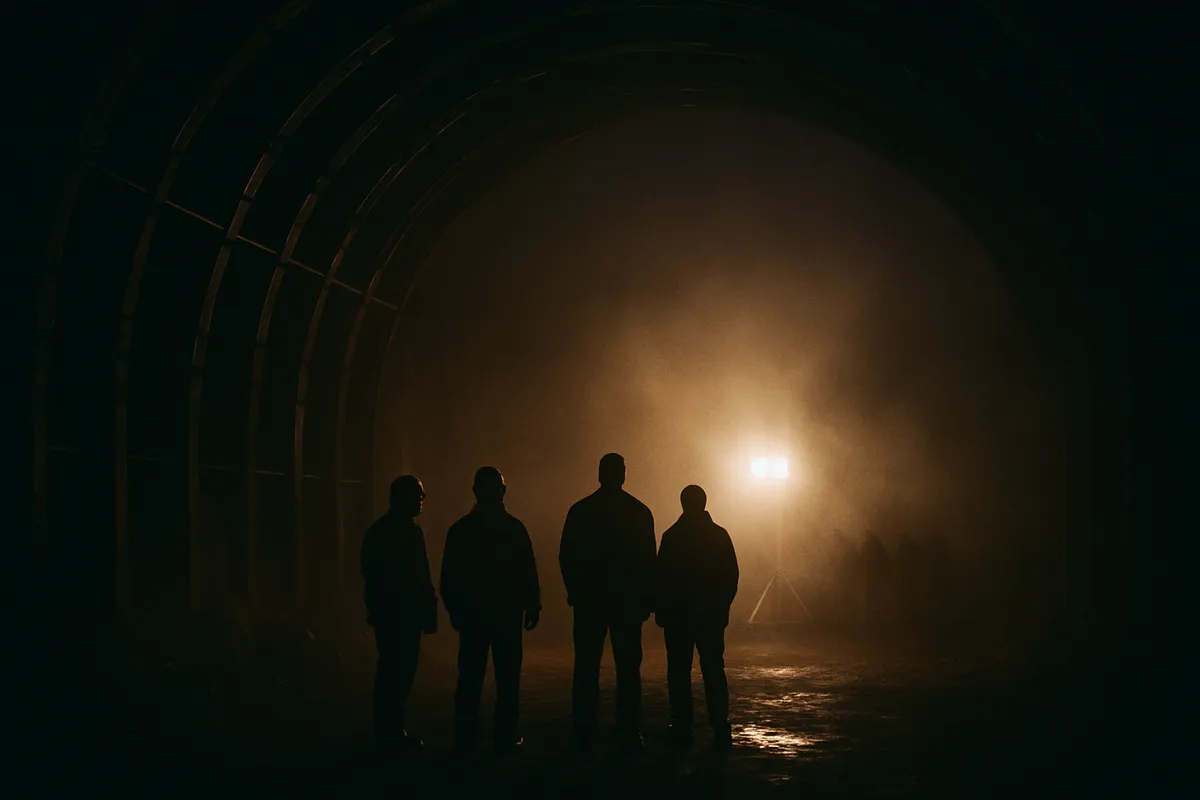
A California construction accident involving a tunnel collapse left one worker dead and several others hospitalized after falling debris struck workers at the job site, according to People.com. A sudden rockfall caused a partial collapse inside the tunnel, trapping and injuring workers before emergency crews rushed in to rescue those affected and transport the injured to nearby hospitals.
Tunnel work is among the most dangerous jobs in American construction, and a collapse like this one leaves families confronting grief, medical crises, and urgent legal questions all at once. This post covers what the incident reveals about underground construction risks — and the full range of rights California law gives injured workers and surviving families.
What Happened in the Tunnel Collapse
Based on the initial reporting, the collapse occurred at a California construction project when a rockfall triggered a partial failure inside the tunnel. One worker was killed; multiple others were hospitalized. Emergency responders carried out rescues at the scene, and the circumstances of the collapse — including what ground conditions or safety factors contributed — were subject to investigation.
In California, that investigation carries particular weight. Cal/OSHA’s Mining and Tunneling Unit oversees underground construction under some of the strictest safety rules in the country: tunnels must be classified for hazards before work begins, air must be monitored, and ground support systems must be engineered to prevent exactly this kind of failure. When a collapse happens anyway, investigators ask whether those safeguards were properly designed, installed, and inspected.
Construction’s Deadly Toll — and Why Underground Work Is Worse
The broader statistics are grim. According to the U.S. Bureau of Labor Statistics, 1,075 construction workers died on the job in 2023 — the industry’s highest total in more than a decade, and roughly one in five of all U.S. workplace deaths. Falls, slips, and trips led the causes at 421 deaths, with struck-by incidents — like workers hit by falling rock and debris — close behind among the industry’s “Fatal Four.”
Tunnel and excavation work concentrates these dangers: confined spaces, unstable ground, heavy machinery in tight quarters, and limited escape routes. OSHA has long emphasized that collapsing earth is unforgiving — a single cubic yard of soil or rock can weigh as much as a car. When ground gives way underground, workers often have no warning and nowhere to go. We saw a related — thankfully non-fatal — hazard in our region recently when a worker fell into a 15-foot hole at a Pomona construction site.
Workers’ Compensation: Benefits Without Proving Fault
For the injured workers and the family of the worker who died, California workers’ compensation is the immediate safety net. The system is no-fault — benefits flow without proving the employer was negligent:
- Medical benefits cover all reasonable treatment: emergency care, surgery, hospitalization, rehabilitation, and ongoing therapy.
- Temporary disability replaces a portion of wages during recovery; permanent disability compensates lasting impairment.
- Death benefits provide burial expenses and structured payments to a surviving spouse, children, and other dependents.
Two practical points matter. First, report and file promptly — delayed reporting is the most common reason claims stall. Second, workers’ comp is deliberately limited: it pays no damages for pain and suffering, and wage replacement is partial. For a catastrophic injury or a death, comp benefits alone rarely reflect the true loss. Our Rancho Cucamonga workers’ compensation attorneys help families secure every benefit the system owes — and evaluate what else may be available.
Third-Party Claims: Where Full Compensation Usually Lies
The most important legal question after a tunnel collapse is whether anyone other than the direct employer shares responsibility. Workers’ comp bars most suits against your own employer — but major tunnel projects are built by layered teams: general contractors, specialty subcontractors, engineering and geotechnical firms that assess ground conditions, and manufacturers of support systems and equipment. If any of them negligently contributed to the collapse — a missed geological warning, inadequate ground support, defective shoring — injured workers and surviving families can bring civil claims against them.
The difference is substantial. A third-party claim or wrongful death action can recover full lost earnings across a lifetime, non-economic damages for pain and for a family’s loss of companionship, and compensation workers’ comp never touches. Cal/OSHA’s findings, subpoenaed project records, and expert analysis of the ground failure typically form the backbone of these cases. One caution on timing: third-party suits generally must be filed within two years (CCP § 335.1), but public infrastructure projects often involve government entities — and claims against them require an administrative filing within six months.
What Families Should Do Now
In the aftermath of a collapse: obtain the official incident and investigation reports, preserve any photos, messages, or witness names related to site conditions, keep records of every medical and funeral expense, and speak with an attorney before giving statements to any insurer or project representative. Early legal involvement ensures Cal/OSHA evidence is tracked, third-party defendants are identified, and no deadline quietly closes a door.
Talk to a Former Insurance Defense Attorney — Free
Miracle Law’s founder, Tamar Miot, spent years defending insurers before devoting her career to injured workers and their families. She knows how carriers and contractors defend catastrophic construction cases — and how to hold every responsible party accountable. If your family has been affected by this tunnel collapse or another serious construction accident, contact us for a free, compassionate consultation. There is no fee unless we win. Call (888) 843-5290.
Frequently Asked Questions
What benefits do families receive after a fatal construction accident in California?
Workers' compensation death benefits include burial expenses and ongoing payments to dependents — a surviving spouse, children, or others who relied on the worker's income. These benefits are no-fault, meaning the family does not need to prove the employer did anything wrong. Deadlines apply, so claims should be filed promptly with supporting documentation.
Can injured tunnel workers sue anyone beyond workers' compensation?
Potentially, yes. Workers' comp generally bars suits against the worker's own employer, but tunnel projects involve many entities — general contractors, engineering firms, geotechnical consultants, and equipment manufacturers. If any third party's negligence contributed to the collapse, injured workers and surviving families can pursue a civil claim that includes pain and suffering and full wage loss, which comp does not pay.
Who investigates a tunnel collapse in California?
Cal/OSHA investigates workplace deaths and serious injuries, and its Mining and Tunneling Unit specifically oversees underground construction, which faces some of the state's strictest safety requirements — including tunnel classifications, air monitoring, and ground support standards. Cal/OSHA citations don't automatically decide a civil case, but findings of safety violations are powerful evidence.
What deadlines apply after a construction accident death?
Workers' compensation death benefit claims have their own filing deadlines, generally running from the date of death. Third-party wrongful death lawsuits must usually be filed within two years (CCP § 335.1), and if a public entity is involved in the project — common on major infrastructure work — a government claim may be required within six months.
Injured? Talk to a former insurance defense attorney — free.
No fee unless we win. We'll call you back within 10 minutes. Hablamos Español.
Call (888) 843-5290Find Out If You Have a Case
Free case review. We'll call you back within 10 minutes.