
Port of LA Worker Incident Under Investigation by OSHA, US Coast Guard

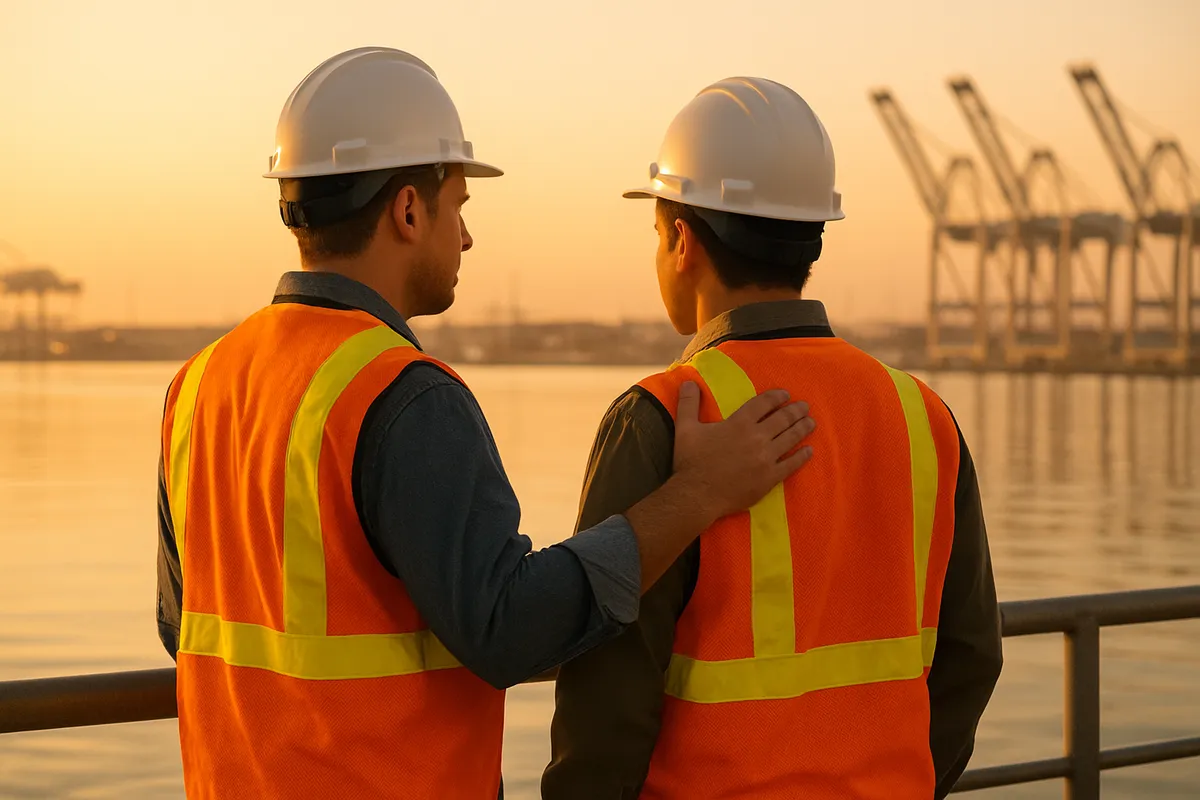
A worker at the Port of Los Angeles died following an incident that is now under investigation by both the Occupational Safety and Health Administration and the U.S. Coast Guard, according to reporting from the Daily Breeze. Authorities are still reviewing the circumstances and gathering information about what occurred. The Port of LA worker incident is a sobering reminder of the risks that come with maritime and industrial work — and the findings of the dual federal investigations may ultimately explain what went wrong and whether it could have been prevented.
For the worker’s family, coworkers, and every other employee at the nation’s busiest container port, the incident also raises practical legal questions: which compensation system covers port workers, what benefits are available after a workplace death, and when a claim can extend beyond the employer.
Why the Port of LA Worker Incident Involves Two Federal Agencies
Port fatalities often trigger overlapping jurisdictions. OSHA investigates workplace safety — equipment condition, procedures, training, and compliance with safety standards — while the U.S. Coast Guard investigates incidents connected to vessels and navigable waters. When both agencies open files, their reports, citations, and findings frequently become central evidence in the civil and benefits claims that follow.
The danger they are investigating is real and measurable. According to the U.S. Bureau of Labor Statistics, 5,283 American workers died from workplace injuries in 2023, and transportation incidents — the category that includes many vehicle- and equipment-related deaths at ports and terminals — were the leading cause. Docks combine nearly every serious industrial hazard in one place: cranes, top handlers, forklifts, drayage trucks, suspended cargo containers weighing tens of thousands of pounds, and work performed at height and at the water’s edge.
Injuries Common in Port and Industrial Accidents
When something goes wrong around that kind of equipment, injuries tend to be catastrophic rather than minor:
- Traumatic brain injuries from falling objects, falls, and vehicle strikes — symptoms can emerge days after the incident, which is why prompt evaluation matters. Learn more about brain injury claims.
- Crush injuries when a worker is caught between containers, chassis, vehicles, or machinery — often involving bone, nerve, vascular, and organ damage simultaneously.
- Spinal cord and back injuries from falls, heavy lifting, and equipment impacts, which can end a physically demanding career.
- Fractures requiring surgery and months of rehabilitation.
- Burns and chemical exposure from fuels, electrical systems, and hazardous cargo.
Two Compensation Systems Cover Port Workers
One thing makes port injury claims different from almost any other Southern California workplace case: two different no-fault systems may apply.
California Workers’ Compensation
Most California employees injured on the job are covered by the state workers’ compensation system administered through the Division of Workers’ Compensation (DWC). It is no-fault — the worker does not have to prove the employer did anything wrong — and provides medical treatment, temporary disability payments (generally two-thirds of average weekly wages, within state limits), permanent disability benefits, supplemental job displacement vouchers, and death benefits for dependents.
The Federal Longshore and Harbor Workers’ Compensation Act
Longshore workers, harbor workers, and many others engaged in loading, unloading, building, or repairing vessels are covered instead by the federal Longshore and Harbor Workers’ Compensation Act (LHWCA), administered by the U.S. Department of Labor. LHWCA benefits are frequently more generous than state comp, and determining which system applies — sometimes both are implicated — is one of the first things an experienced attorney sorts out after a port injury.
Third-Party Claims: When Compensation Goes Beyond Benefits
No-fault benefits are the floor, not the ceiling. Terminals are crowded with companies beyond the direct employer — stevedoring contractors, vessel owners and operators, crane and equipment manufacturers, trucking companies, and maintenance vendors. If any of them negligently contributed to an injury or death, the worker or family can bring a separate civil lawsuit and recover what benefits systems never pay: pain and suffering, emotional distress, and full lost earnings. Families pursuing a wrongful death claim generally have two years to file under California Code of Civil Procedure § 335.1 — and only six months to present a claim if a government entity is involved.
Coordinating a benefits claim with a third-party lawsuit takes care, because the comp or LHWCA insurer typically asserts a lien against any civil recovery. Handled correctly, though, the combination is often what makes a family financially whole.
What This Means for Injured Workers and Families
The OSHA and Coast Guard investigations into this Port of LA worker incident will take time, and their conclusions matter — but families should not wait for federal findings to protect their own rights. Benefits claims have strict deadlines, evidence at busy terminals changes quickly, and insurers begin building their file immediately. Reporting the injury, documenting everything in writing, and getting independent legal guidance early are the steps that preserve every option, from DWC or LHWCA benefits to third-party litigation.
Talk to a Former Insurance Defense Attorney — Free
Miracle Law founder Tamar Miot spent years defending insurance companies before dedicating her practice to injured workers and their families — she knows precisely how carriers evaluate and minimize serious workplace claims. If you or a loved one has been hurt in a port or industrial accident anywhere in Los Angeles County, the consultation is free, and there is no fee unless we win. Call (888) 843-5290.
Frequently Asked Questions
Why are both OSHA and the U.S. Coast Guard investigating the Port of LA incident?
Port operations sit at the intersection of workplace safety law and maritime law. OSHA (and Cal/OSHA for state-plan matters) investigates workplace safety compliance, while the Coast Guard has jurisdiction over incidents involving vessels and navigable waters. Dual investigations are common in port fatalities, and their findings can become important evidence in later claims.
Do port workers file California workers' compensation or a federal longshore claim?
It depends on the work being performed. Longshore workers, harbor workers, and many employees loading and unloading vessels are typically covered by the federal Longshore and Harbor Workers' Compensation Act (LHWCA), which often pays higher benefits than state workers' comp. Other port-area employees fall under California's workers' compensation system. An attorney can determine which system applies — and some workers have claims under both.
Can an injured port worker sue anyone in addition to collecting workers' compensation?
Yes, if a third party contributed to the accident. Workers' compensation bars most lawsuits against the employer, but claims against equipment manufacturers, vessel owners, stevedoring contractors, or other companies operating at the terminal can recover damages comp never pays, including pain and suffering and full lost wages.
What benefits can the family of a worker killed at the Port of LA receive?
Death benefits are available on a no-fault basis — through California's Division of Workers' Compensation or the LHWCA, depending on coverage — including burial expenses and ongoing payments to dependents. If negligence by a third party played a role, the family may also bring a wrongful death lawsuit within two years under CCP § 335.1.
Injured? Talk to a former insurance defense attorney — free.
No fee unless we win. We'll call you back within 10 minutes. Hablamos Español.
Call (888) 843-5290Find Out If You Have a Case
Free case review. We'll call you back within 10 minutes.