
Rideshare Accidents in California: Navigating Complex Liability

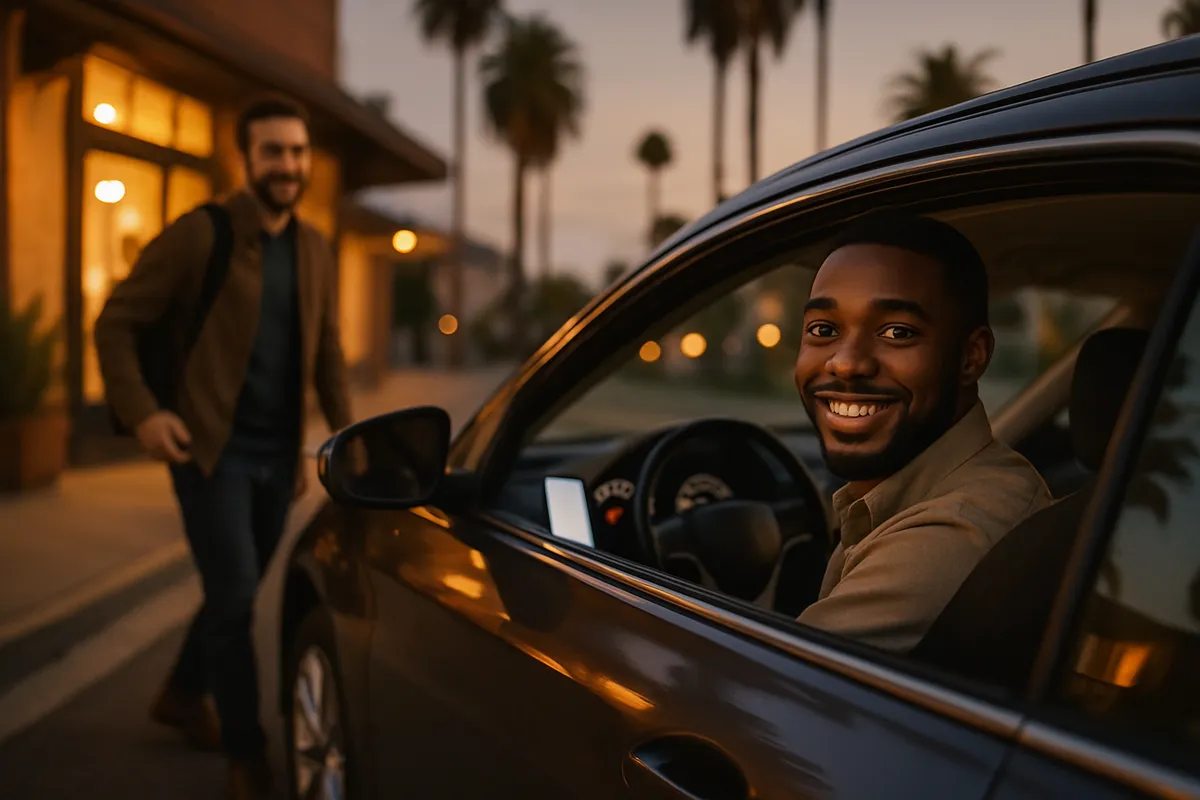
Rideshare accidents in California raise a question that ordinary crashes don’t: whose insurance actually pays? Uber and Lyft have built a permanent presence on California roads, and with hundreds of thousands of rideshare trips happening across Los Angeles and the Inland Empire every week, collisions involving these vehicles are now routine. If you’ve been injured in one — as a passenger, another driver, a cyclist, or a pedestrian — you may be facing medical bills, lost income, and emotional distress. Compensation is available, but navigating rideshare liability takes more care than a standard car accident claim.
The backdrop is sobering: the National Highway Traffic Safety Administration reports 40,990 people died in U.S. traffic crashes in 2023, and the California Office of Traffic Safety records more than 4,000 roadway deaths statewide in a typical year. Rideshare vehicles log enormous mileage in dense urban traffic — exactly the environment where crashes happen.
Can I Still Sue After a Rideshare Accident in California?
Yes. Despite the added complexity, an injury caused by a rideshare driver’s negligence is legally a negligence case like any other: someone owed you a duty of care, breached it, and caused real damages. You are fully within your rights to pursue a personal injury claim. The difference is not whether you can recover — it’s which of several overlapping insurance policies responds, and how aggressively the companies involved will try to push responsibility onto someone else.
Why Rideshare Accidents Are More Complex
Two features set these cases apart.
Multiple potentially responsible parties. A rideshare crash can implicate both the individual driver and the company whose app dispatched them. Rideshare companies classify drivers as independent contractors and fight hard to limit their own exposure — which is precisely why California stepped in with mandatory insurance requirements.
Layered insurance coverage. Rather than one policy, rideshare crashes involve a tiered system where coverage depends on the driver’s app status at the exact moment of impact.
The Three Insurance Periods That Decide Who Pays
California law (enacted through AB 2293 and enforced by the California Public Utilities Commission) requires transportation network companies to maintain coverage tied to three periods:
- App off. The driver is a private motorist. Only their personal auto policy applies — and personal policies commonly exclude commercial activity, which can create serious coverage gaps.
- App on, no ride accepted. The driver is available and waiting for a request. The company must provide contingent coverage of at least $50,000 per person / $100,000 per accident for bodily injury and $30,000 for property damage.
- En route to pickup or carrying a passenger. From ride acceptance until the passenger exits, $1 million in third-party liability coverage applies — the strongest coverage tier and the one that governs most passenger injury claims.
The practical consequence: two identical crashes can have wildly different insurance outcomes depending on whether the driver had accepted a ride thirty seconds earlier. App data, trip logs, and timestamps become critical evidence — another reason preserving evidence quickly matters so much in these cases.
When Is a Rideshare Driver “Off the Clock”?
A driver is outside the rideshare coverage system when they’re doing nothing that could be considered work-related. A driver who logs off and pulls into a drive-thru for lunch, runs a personal errand, or parks to take a break is — for insurance purposes — just another motorist. If they cause a crash in that window, the rideshare company’s policies generally do not apply.
Predictably, it is in Uber’s and Lyft’s interest to characterize their drivers as off the clock whenever possible. An experienced attorney can subpoena app records to establish the driver’s actual status and push back when a company tries to shed liability it actually owes.
What If the Rideshare Company’s Coverage Doesn’t Apply?
You can still hold the at-fault driver personally responsible through their own auto insurance. The trap is that many rideshare drivers never purchase the commercial or rideshare endorsement their personal insurer requires — some don’t know they need it; others skip it because of cost. When a personal policy denies coverage over commercial use, injured victims may need to look to their own uninsured/underinsured motorist (UM/UIM) coverage, or identify other liable parties. This is exactly the scenario where dealing with insurance carriers without counsel gets injured people shortchanged.
Deadlines and Comparative Fault
Most rideshare injury claims must be filed within two years of the crash under California Code of Civil Procedure § 335.1 (six months if a government entity is involved). And because California follows pure comparative negligence (Li v. Yellow Cab Co., 1975), you can recover compensation even if you shared some fault — your award is simply reduced by your percentage of responsibility.
Injured in an Uber or Lyft Accident? Talk to Us Free
Miracle Law, APC represents rideshare accident victims throughout Los Angeles County and the Inland Empire. Founder Tamar Miot is a former insurance defense attorney — she has seen from the inside how layered commercial policies are used to delay and deny legitimate claims, and she knows how to cut through them. The consultation is free, and there’s no fee unless we win. Call (888) 843-5290.
Frequently Asked Questions
Can I sue after a rideshare accident in California?
Yes. Whether you were a passenger, a driver in another car, a cyclist, or a pedestrian, you can pursue a claim if a rideshare driver's negligence injured you. These cases are legally similar to other crashes — someone breached a duty of care and caused harm — but the insurance analysis is more layered, which is why experienced counsel matters.
How much insurance covers an Uber or Lyft accident in California?
California law requires transportation network companies to provide $1 million in third-party liability coverage from the moment a driver accepts a ride until the passenger exits. When the driver is logged into the app but hasn't accepted a ride, lower mandated limits apply (50/100/30). If the app is off entirely, only the driver's personal auto policy is in play.
What if the rideshare driver was 'off the clock' when they hit me?
Then the rideshare company's coverage generally doesn't apply, and the claim proceeds against the driver's personal auto insurance like any other crash. The complication is that many personal policies exclude commercial driving, and rideshare companies have every incentive to argue their driver was off the app. An attorney can obtain app data to establish the driver's true status.
What compensation can I recover after a rideshare accident?
Recoverable damages include medical expenses (current and future), lost income and earning capacity, property damage, and non-economic damages like pain and suffering. California's pure comparative negligence rule means partial fault reduces — but does not eliminate — your recovery.
Injured? Talk to a former insurance defense attorney — free.
No fee unless we win. We'll call you back within 10 minutes. Hablamos Español.
Call (888) 843-5290Find Out If You Have a Case
Free case review. We'll call you back within 10 minutes.