
Safety Tips for Bicycle Riders in Southern California

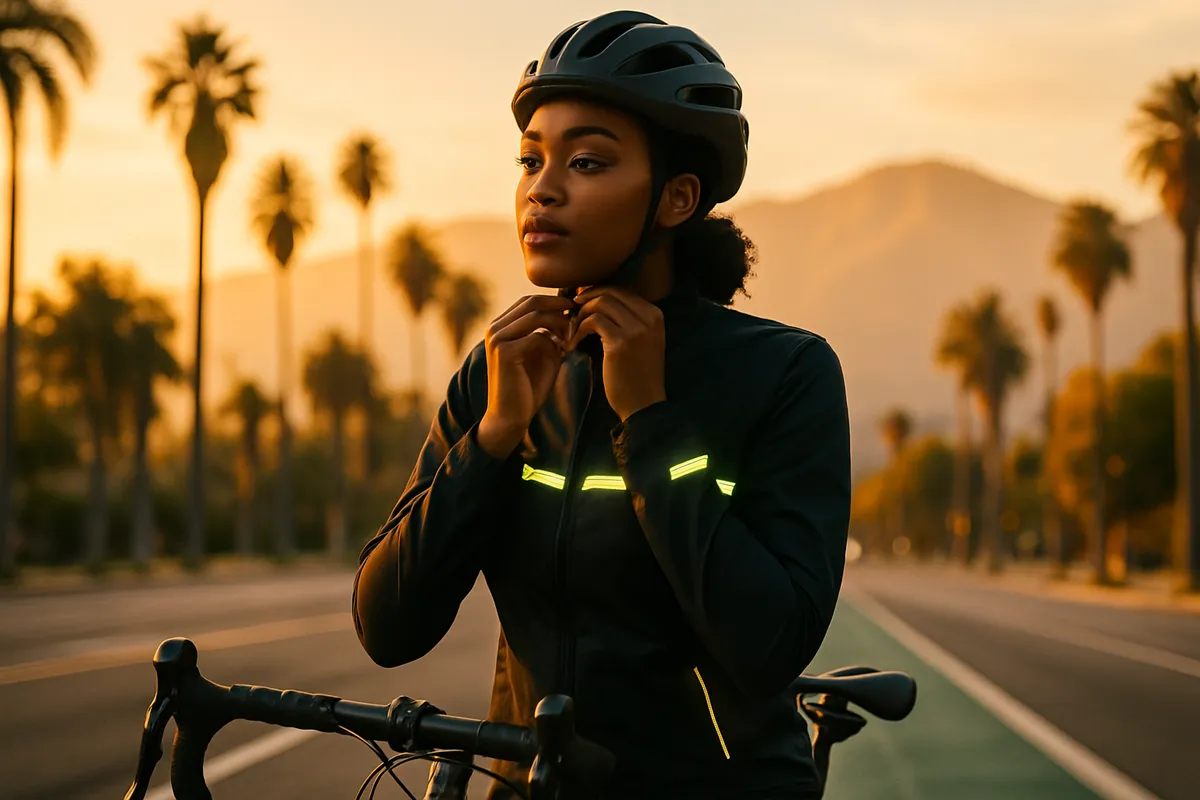
Riding a bike is one of life’s simplest pleasures — and Southern California’s weather makes it a year-round one. But sharing the road with distracted, hurried, and sometimes reckless drivers means safety has to come first. These bicycle safety tips for Southern California riders apply whether you’re a serious cyclist chasing speed on canyon roads or a weekend rider cruising the beach path with family.
The stakes are real. According to the National Highway Traffic Safety Administration, more than 1,100 bicyclists were killed in U.S. traffic crashes in 2023, and California’s 145 bicyclist deaths that year were the second-most of any state. And no matter how carefully you ride, a negligent driver can undo it all in a second — which is why the final tip on this list is knowing your legal rights.
Wear Your Helmet — Every Ride
The simplest protection you have is the one that goes on your head. A helmet may not be a fashion statement, but it guards against the injuries that change lives permanently:
- Concussions and traumatic brain injuries
- Skull fractures and penetrating injuries
- Hematomas and brain bleeds
Brain injuries don’t just cause physical problems like balance and vision deficits — they’re linked to depression, anxiety, personality changes, and cognitive decline that can persist for years. No helmet prevents every head injury, and researchers debate exactly how much protection they provide, but the evidence consistently shows helmeted riders fare significantly better in crashes. One caveat: buy from reputable brands and check for recalls, because defective helmets that fail safety standards do reach the market. California law requires helmets for riders under 18; for adults they’re optional — but wise.
Stick to Bike Lanes Wherever They Exist
Bike lanes exist for a reason — use them. Protected lanes with physical barriers offer the best separation from traffic, while painted lanes at least establish your legal space on the road. Two advantages:
- Physical safety. Distance from passing vehicles is the single biggest factor in avoiding a sideswipe.
- Legal clarity. A driver who strays into a marked bike lane and hits you has committed a traffic violation — strong evidence of negligence that makes them liable for your injuries.
Route-planning apps let you build trips that maximize time in dedicated bike infrastructure. It’s worth the extra five minutes.
Use Your Hand Signals
Most bikes don’t have turn indicators — you are the indicator. A driver who doesn’t know you’re about to turn left can’t avoid you. Before your next ride, refresh the basics: left arm straight out for a left turn, left arm bent upward (or right arm straight out) for a right turn, arm angled down for stopping. Signal early, make eye contact with drivers when possible, and never assume you’ve been seen.
Install Lights and Reflective Gear
At night, a cyclist in dark clothing on an unlit bike is nearly invisible until it’s too late. California law requires a front white light, rear red reflector, and side reflectors for night riding — treat that as the minimum:
- Run a bright front headlight and a flashing rear light
- Add reflective clothing, ankle bands, or wheel reflectors
- Turn lights on before dusk — riders who start in daylight often forget as the sun sets mid-ride
Check Your Bike Before Every Ride
Mechanical failures cause crashes with no driver involved at all. Make quick inspections a habit, with special attention to your brakes — even slight sponginess or drag is a warning sign. Check tire pressure and condition, quick-release levers, and your chain. A brake failure at speed leaves you with no way to avoid a collision, so five minutes of maintenance is the cheapest insurance you’ll ever buy. (If a defective component caused your crash, keep the part — preserving physical evidence can support a product liability claim.)
When a Negligent Driver Hits You Anyway
Here’s the uncomfortable truth behind every safety list: even the most careful cyclist can’t control drivers. If a driver injures you, remember:
- California is an at-fault state. The negligent driver (through their insurer) is responsible for your medical bills, lost income, bike damage, and pain and suffering.
- Pure comparative negligence protects you. Under Li v. Yellow Cab Co. (1975), you can recover even if you were partially at fault — your award is just reduced by your percentage.
- Deadlines apply. You generally have two years to file suit (California Code of Civil Procedure § 335.1), and only six months to file a government claim if a dangerous road condition or public vehicle was involved.
- Insurers undervalue cyclists. Adjusters routinely blame riders for crashes drivers caused. Don’t give a recorded statement before talking to an attorney.
Injured on a Bike? Talk to Us Free
If a negligent driver hurt you or someone you love anywhere in Southern California — from Los Angeles to the Inland Empire — Miracle Law, APC can help you hold them accountable. Founder Tamar Miot is a former insurance defense attorney who knows exactly how insurers build their “the cyclist came out of nowhere” playbook, and how to dismantle it. The consultation is free, and there’s no fee unless we win. Call (888) 843-5290.
Frequently Asked Questions
Are adults required to wear bike helmets in California?
No — California law only requires riders under 18 to wear helmets. But helmets substantially reduce the risk of serious head injury in a crash, and head trauma is among the most devastating cycling injuries. Not wearing one can also be used by insurers to argue comparative fault on head-injury damages, so wearing a helmet protects both your skull and your claim.
Who is at fault if a car hits me in a bike lane?
A driver who drifts or turns into a marked bike lane and strikes a cyclist has violated traffic law and is almost always liable. California drivers must also give cyclists at least three feet of clearance when passing under the Three Feet for Safety Act. Document the scene, get witness information, and get medical care immediately.
Can I recover compensation if I was partly at fault for my bicycle accident?
Yes. California follows pure comparative negligence, so your recovery is reduced by your percentage of fault but never eliminated. Even a cyclist found 40% responsible can still recover 60% of their damages from the negligent driver.
What should I do right after a bicycle accident in Southern California?
Get to safety, call 911 so police document the crash, photograph the scene and your bike, collect driver and witness information, and seek medical care even if you feel okay — adrenaline masks injuries. Then talk to a bicycle accident attorney before speaking with the driver's insurance company.
Injured? Talk to a former insurance defense attorney — free.
No fee unless we win. We'll call you back within 10 minutes. Hablamos Español.
Call (888) 843-5290Find Out If You Have a Case
Free case review. We'll call you back within 10 minutes.