
The Importance of Immediate Medical Treatment After Auto Accidents in California

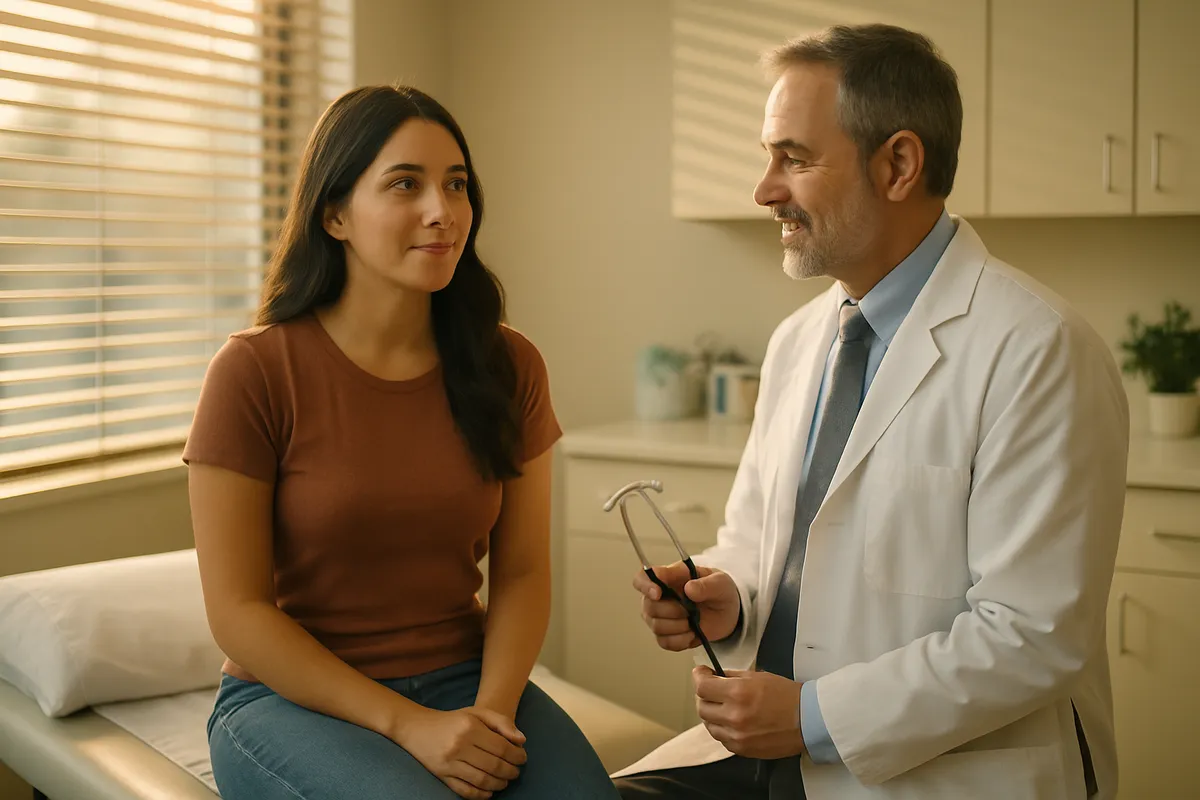
After a crash, immediate medical treatment after an auto accident in California is the single most important step you can take — more important than calling the insurance company, more important than photographing the scene, more important than anything else on the post-accident checklist. Roughly 2.44 million people were injured in U.S. motor vehicle crashes in 2023 according to the National Highway Traffic Safety Administration, and a large share of those injuries were not obvious at the scene.
Getting checked out right away protects two things at once: your health and your legal claim. Here’s why both depend on what you do in the first hours and days after a collision.
Your Health Comes First — and Some Injuries Hide
The human body responds to a crash with a surge of adrenaline that can mask pain for hours. That’s why people walk away from serious collisions insisting they’re “fine,” only to collapse later. Several categories of injury are notorious for delayed symptoms:
- Head and brain injuries. A seemingly minor knock to the head can cause a slow brain bleed. The bleeding may be gradual and initially symptomless — until pressure on the brain builds to the point of coma, stroke, or death. This is why doctors take even mild traumatic brain injuries so seriously.
- Spinal injuries. Whiplash, disc herniations, and vertebral fractures often stiffen and worsen over 24–72 hours.
- Internal bleeding and organ damage. Abdominal trauma from a seatbelt or steering wheel can injure the spleen, liver, or kidneys without immediate outward signs.
- Soft-tissue injuries and infections. Untreated wounds and strains can develop complications that turn a short recovery into a long one.
A prompt exam — at an emergency room, urgent care clinic, or your own physician — catches these conditions while they’re still treatable. California saw 4,061 traffic deaths in 2023 per the California Office of Traffic Safety, and some of those deaths involved people who initially appeared to have survivable injuries. When in doubt, get checked out.
Why Medical Records Win Injury Claims
Beyond your health, immediate treatment creates something your case cannot succeed without: contemporaneous medical records.
Consider a broken leg. The ER visit generates an X-ray or CT scan. The radiologist documents the fracture. The treating physician notes its severity, performs or schedules treatment, and writes work restrictions. Every step produces dated records and itemized bills.
When you later file an insurance claim or lawsuit, those records do three jobs:
- They prove the injury is real. An adjuster cannot credibly argue you weren’t hurt when imaging and physician notes say otherwise.
- They connect the injury to the crash. Records created the day of the accident leave no room for the insurer’s favorite argument — that something else caused your condition.
- They quantify your damages. Bills, treatment plans, and work restrictions establish the medical expenses and lost income you’re entitled to recover.
In California’s at-fault system, you must prove that the other driver’s negligence caused documentable harm. Medical records are the fourth element of negligence — damages — reduced to paper. Without them, even a strong liability case can fall apart. (For more on how fault is established, see our guide to California’s at-fault system.)
What Happens If You Don’t Get Treatment?
If you skip or delay medical care after a crash, expect the insurance company to use it against you in predictable ways:
- “You weren’t really injured.” With no records, your injuries become your word against a trained adjuster’s skepticism.
- “If it were serious, you would have gone to the doctor.” Insurers argue that genuinely injured people seek treatment immediately. Even a delay of a week or two invites this attack.
- “Something else caused it.” A gap between the crash and your first medical visit gives the defense room to blame a pre-existing condition, a later incident, or ordinary aging.
None of these arguments is necessarily fatal to your claim — but each one gives the insurer leverage to undervalue or deny it. The simplest way to take that leverage away is to get examined promptly and then follow through with every recommended appointment. Gaps in treatment mid-claim can be just as damaging as a delayed start; our post on how to help your California personal injury case covers this in detail.
Practical Steps After a California Auto Accident
- Get medical attention the same day, even if you feel okay. Tell the provider about every symptom, however minor.
- Follow all treatment instructions — medications, physical therapy, follow-up imaging, and work restrictions.
- Keep everything: discharge papers, bills, receipts, and appointment records.
- Report the crash and request the traffic collision report — here’s why police reports matter.
- Talk to a lawyer before giving the insurance company a recorded statement. Adjusters are trained to elicit answers that minimize your claim.
Remember the deadline, too: most California injury claims must be filed within two years under Code of Civil Procedure § 335.1, and claims against government entities require an administrative claim within six months.
Get Checked Out — Then Get Miracle Law on Your Side
Medical treatment should be your first call after a crash. Your second should be to a California car accident attorney who knows how insurers evaluate medical evidence. Miracle Law founder Tamar Miot spent years as an insurance defense attorney before switching sides — she knows exactly how adjusters scrutinize treatment gaps, and how to build a medical record they can’t pick apart. The consultation is free, and there’s no fee unless we win. Call (888) 843-5290 today.
Frequently Asked Questions
Should I see a doctor after a car accident even if I feel fine?
Yes. Adrenaline and shock routinely mask symptoms of serious injuries, including concussions, slow brain bleeds, whiplash, and internal organ damage. A same-day medical exam protects your health and creates the documentation your injury claim will depend on.
How soon after a California car accident should I get medical treatment?
Ideally the same day — at an emergency room, urgent care, or your own doctor. Insurance adjusters treat any delay of more than a few days as evidence that your injuries were minor or unrelated to the crash, so the sooner you're examined, the stronger your claim.
Can I still file an injury claim if I delayed medical treatment?
Yes, a delay does not automatically bar your claim, but it makes the insurance company's job easier. An experienced attorney can use later medical records, imaging, and expert testimony to connect your injuries to the crash. Get examined as soon as possible and be honest with your doctor about when symptoms started.
Who pays for my medical treatment after a California car accident?
California is an at-fault state, so the negligent driver's insurer is ultimately responsible for your accident-related medical bills. In the meantime, treatment is often covered through your own health insurance, medical payments (MedPay) coverage, or a lien arrangement your attorney can help set up.
Injured? Talk to a former insurance defense attorney — free.
No fee unless we win. We'll call you back within 10 minutes. Hablamos Español.
Call (888) 843-5290Find Out If You Have a Case
Free case review. We'll call you back within 10 minutes.