
Road Rage Motorcycle Accident
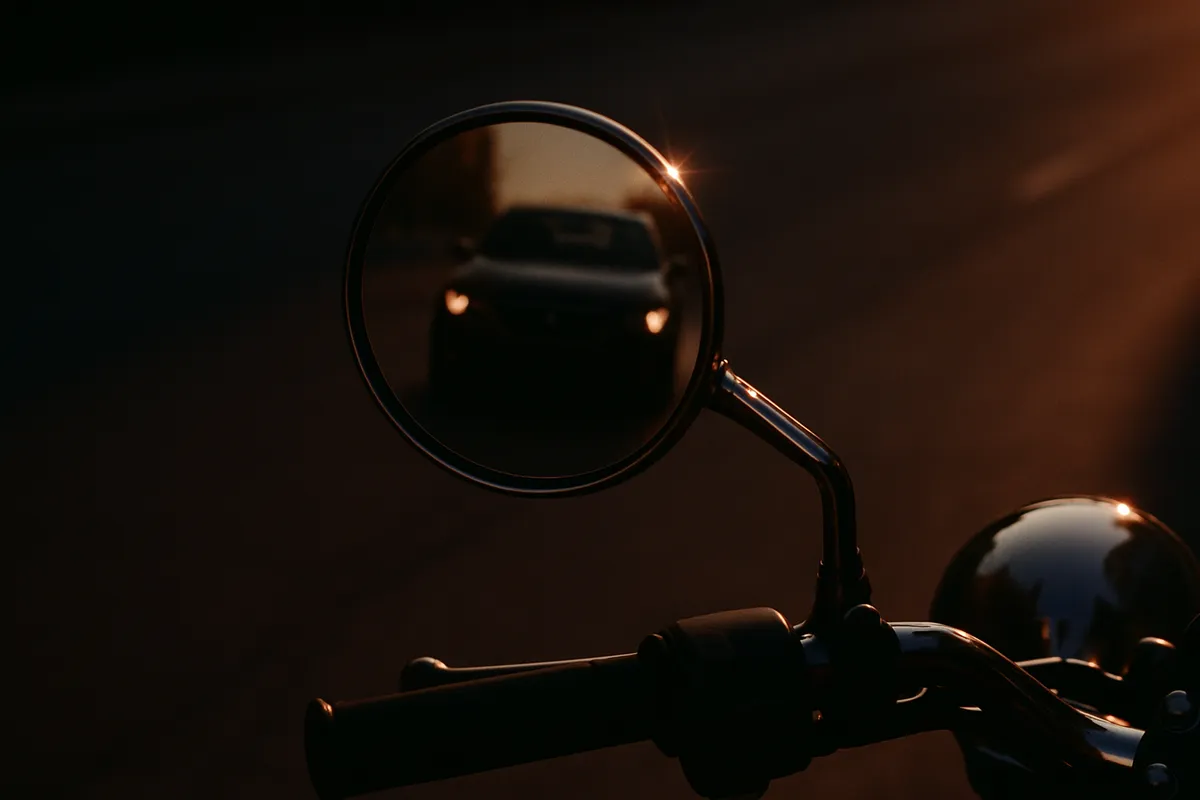
A road rage motorcycle accident is not a traffic mistake — it’s the result of a driver choosing to use a two-ton vehicle to intimidate someone with no protection at all. Tailgating, brake-checking, swerving into a rider’s lane, blocking a lawful pass: when anger drives those decisions, the law treats the crash very differently than an ordinary collision. The problem is that insurance companies work hard to erase that difference.
Miracle Law represents riders throughout Los Angeles and the Inland Empire in motorcycle accident claims, and road rage cases are among the ones we prepare most aggressively — because proving intent changes everything.
How Aggression Escalates Into a Crash
Road rage incidents rarely happen in a single instant. They build: a driver becomes fixated on a specific rider, then escalates over seconds or minutes. Recognizing that pattern is central to proving the case.
Tailgating and crowding
Following a motorcycle too closely eliminates the space a rider needs to brake or maneuver. It’s often the first clear signal of hostile intent — and it forces defensive riding decisions that drivers later mischaracterize as the rider’s fault.
Brake-checking and blocking
Slamming the brakes in front of a motorcycle, or closing gaps to trap a rider between vehicles, leaves almost no reaction time. Motorcycles can’t absorb a sudden obstacle the way a car can; forced braking or swerving frequently causes loss of control even without contact. NHTSA data underscores what’s at stake: motorcyclists are killed in crashes at a rate roughly 22 times higher per mile traveled than passenger car occupants.
Swerving and using the vehicle as a weapon
Deliberately steering toward a rider is the clearest form of road rage — conduct courts can treat as malicious rather than merely careless. Riders lawfully splitting lanes are frequent targets, since some drivers wrongly believe the practice is illegal and take enforcement into their own hands.
Why Intent Changes Your Case
California negligence law asks whether a driver acted reasonably. Road rage cases go further: when conduct is intentional or shows conscious disregard for safety, several things shift in the injured rider’s favor.
- Liability strengthens. A deliberate act is harder to excuse than a momentary lapse, and comparative fault arguments against the rider lose force when the evidence shows targeting. (California’s pure comparative negligence rule means you can recover even with partial fault — here’s how that works.)
- Punitive damages may be available. California permits punitive damages for malice or willful disregard of safety. Not every case qualifies, but genuine road rage conduct can — and that exposure pressures insurers toward fair settlement.
- Criminal charges can help the civil case. If the driver is prosecuted for assault or reckless driving, evidence from that proceeding often strengthens your injury claim, which proceeds independently.
The Evidence That Wins Road Rage Cases
Insurers rarely accept “the driver did it on purpose” without proof. The claims that succeed are built on documentation of the escalation, not just the impact:
- Video footage — dashcams, traffic cameras, and business surveillance capturing the tailgating, gestures, swerving, or brake-checking that preceded the crash. Much of it is overwritten within days or weeks; we send preservation demands immediately.
- Independent witnesses — other drivers and pedestrians who saw honking, shouting, or repeated aggressive maneuvers. Consistent third-party accounts are hard for insurers to dismiss.
- Police reports and 911 recordings — officer narratives, citations for reckless driving, and real-time 911 calls documenting the driver’s behavior as it happened.
- Physical evidence — impact angles, scrape patterns, and vehicle data showing who initiated contact, sudden braking, or lateral movement. More on building this proof: proving liability in California motorcycle cases.
Compensation After a Road Rage Motorcycle Crash
Riders in these crashes often suffer severe harm — broken bones, brain injuries, road rash, and spinal trauma. Recoverable damages include all medical care (current and future), lost income and earning capacity, motorcycle damage, and pain and suffering, plus potential punitive damages where the conduct warrants them.
Miracle Law’s results include a $5 million wrongful death recovery and a $1.1 million car accident recovery — past results don’t guarantee future outcomes, but they reflect how we prepare every case. Remember the clock: most claims must be filed within two years under CCP § 335.1, and government-entity claims can require action within six months.
Get a Free Case Review From a Former Insurance Defense Lawyer
Miracle Law founder Tamar Miot is a former insurance defense attorney — she knows precisely how carriers will try to shrink your road rage claim into a routine fender-bender, because she used to sit on that side of the table. Your consultation is free, and there’s no fee unless we win. Call (888) 843-5290 or reach us online any time, day or night. Hablamos Español.
Frequently Asked Questions
What counts as road rage versus ordinary aggressive driving?
Aggressive driving — speeding, tailgating, abrupt lane changes — is dangerous but usually negligent. Road rage crosses into deliberate conduct: brake-checking a rider, swerving at a motorcycle, blocking lanes, or using a vehicle to intimidate. That distinction matters legally, because intentional or reckless conduct changes how fault, damages, and even punitive exposure are evaluated.
Can I recover punitive damages after a road rage motorcycle accident?
Possibly. California allows punitive damages when a defendant acted with malice or conscious disregard for safety. Deliberately swerving at or brake-checking a motorcyclist can meet that standard. Not every case qualifies, but the possibility alone often changes how seriously an insurer negotiates.
The driver fled after running me off the road. Do I still have a case?
You may. We work to identify the driver through traffic and surveillance cameras, witness accounts, and partial plate information. If the driver can't be found, your own uninsured motorist coverage may apply — many UM policies cover hit-and-run and forced-off-road crashes, though notice deadlines can be short.
What evidence matters most in a road rage case?
Video is king: dashcams, traffic cameras, and nearby surveillance often capture the escalation — tailgating, swerving, brake-checking — that proves intent. Independent witness statements, 911 call recordings, police report narratives, and vehicle damage patterns all reinforce the story. Most of this evidence disappears quickly, which is why early preservation is critical.
Injured? Talk to a former insurance defense attorney — free.
No fee unless we win. We'll call you back within 10 minutes. Hablamos Español.
Call (888) 843-5290Find Out If You Have a Case
Free case review. We'll call you back within 10 minutes.